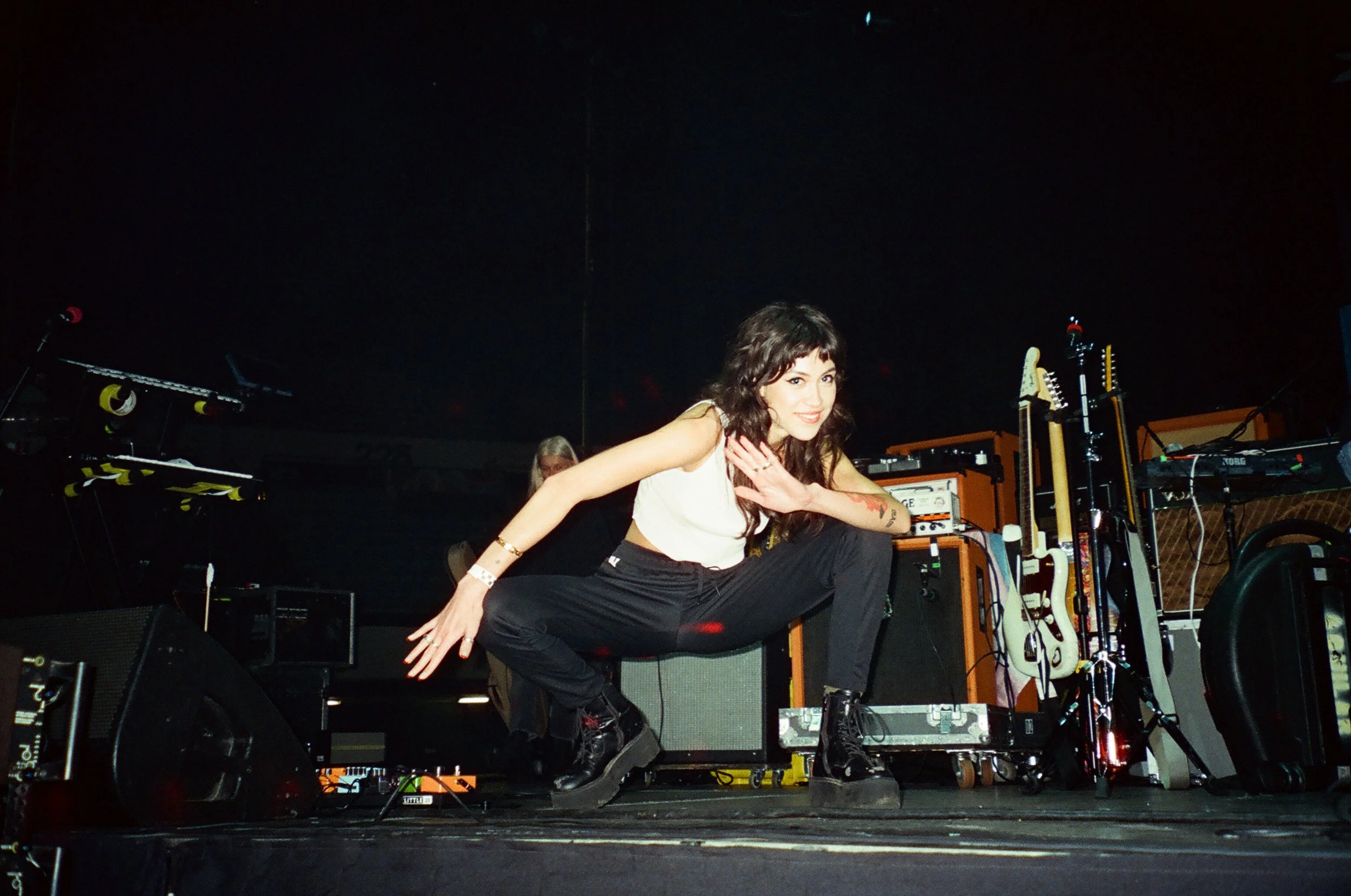
Partners in crime: James Duran and Sophie Prettyman-Beauchamp document the changing face of the SoCal scene
Sophie Prettyman-Beauchamp was shooting a show in Bakersfield for the band Scowl when a stagediver landed a kick straight to their face. They locked eyes with Kat, the band’s lead singer. Kat kept singing. Prettyman-Beauchamp kept shooting.
Moments like that are simply “part and parcel” of Prettyman-Beauchamp’s work documenting the Southern California punk and indie scene with their close friend, James Duran.
Their creative partnership has taken them through the core of that legendary subculture within the five years they’ve been a team. Together, they’ve shot shows they would have gladly paid to see, kicked it on tour, and gone from fans to friends with some of their favorite bands. Artists know that, like it or not, they come as a duo.
But as Duran put it, “No one's upset when they get double the photos.”
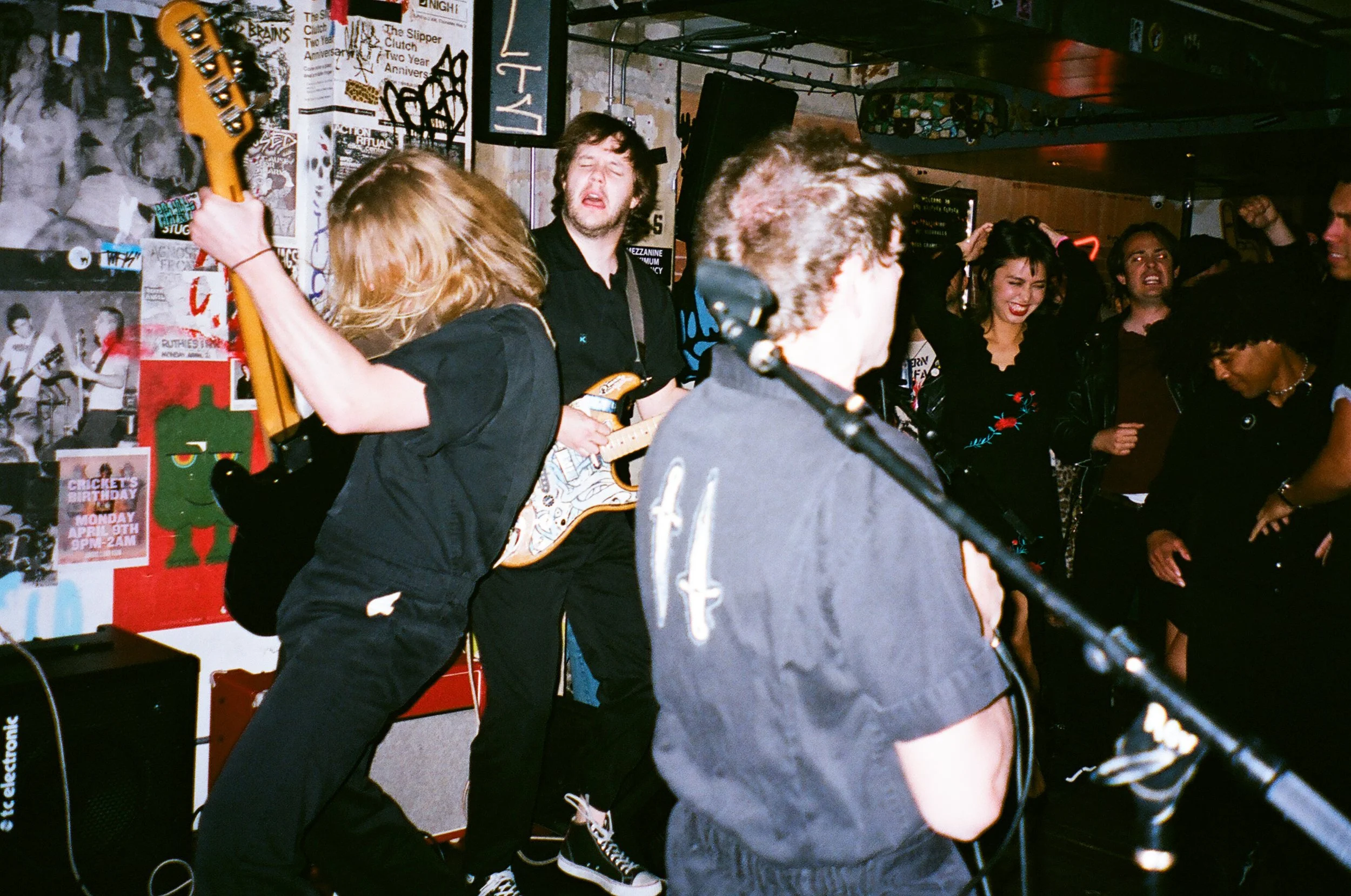
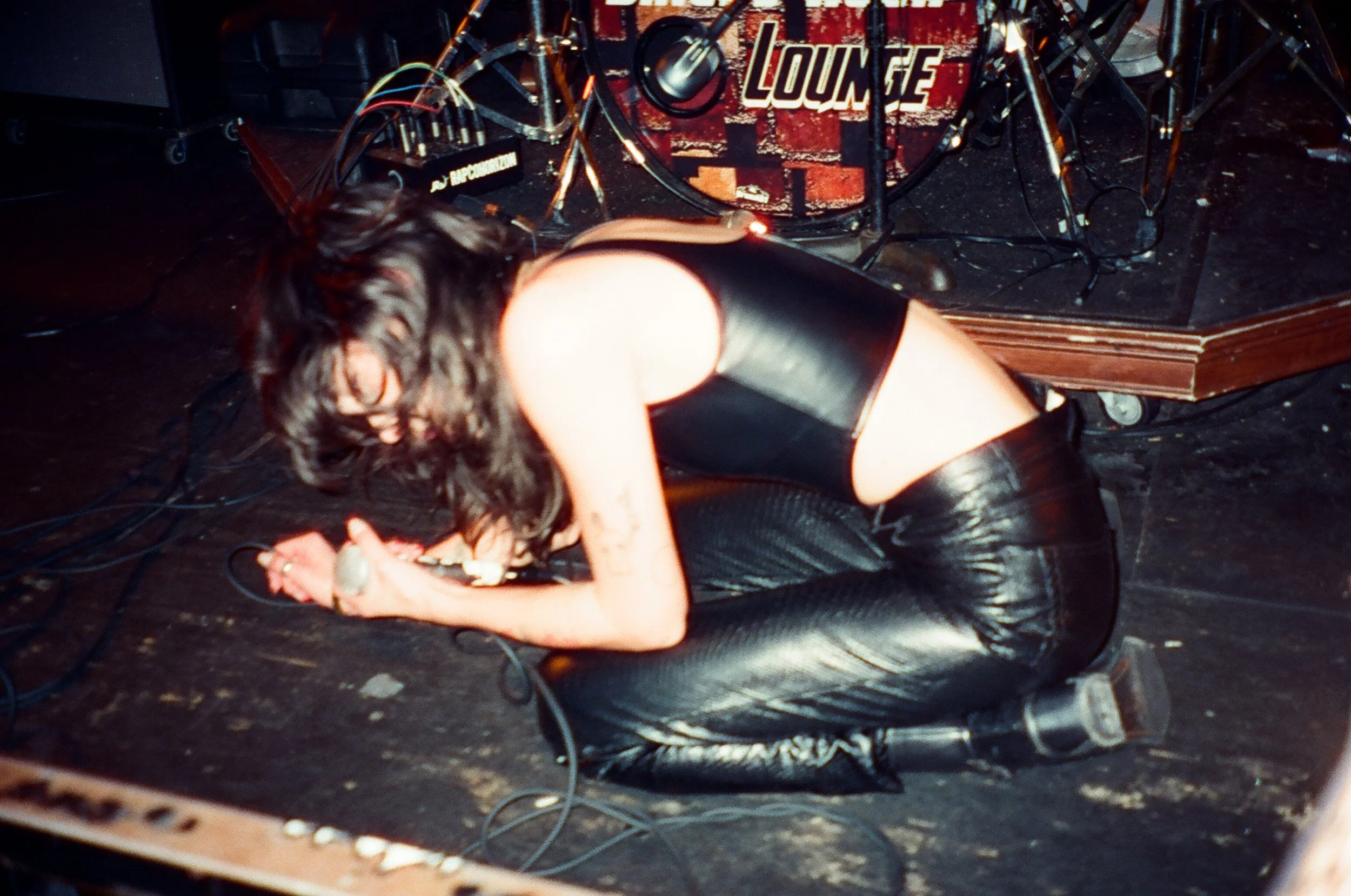
Though they are based in L.A. and Long Beach, Duran and Prettyman-Beauchamp often make the weekend drive down the 5 to shoot shows at iconic San Diego venues like the Whistle Stop, Soda Bar, and Casbah.
They both found a love for photography growing up in Southern California – Prettyman-Beauchamp, through their grandmother, and Duran, through a childhood stint as a ghostbuster. He would stay up late with friends outside purportedly haunted houses, trying to catch evidence of spirits on camera.
At the same time, they were developing a love for music and the distinctive, iconic subculture of the SoCal scene. Prettyman-Beauchamp hosted a college radio show, interviewing artists by day and shooting their performances at night. Duran started bringing his camera to shows to feel less awkward about being there alone.
“I was like, oh, this would be a good way for me to meet bands and get my band to play,” Duran said. “I literally never did any of that. I just kept shooting. So it's been about 11 years. I'm still 15 in my mind.”
Duran ran a blog called Be In A Band Or Die. After Prettyman-Beauchamp reached out, hoping to contribute as a photographer and writer, the pair met over coffee on a late summer day in 2021. By the time they were in the car on the way to their first job together, a Suzie True show, they had already hit it off.
Duran knew plenty of people who got music. He also knew plenty of people who got media, who were talented photographers or writers. But Prettyman-Beauchamp got both.
“They were just talking about the craziest stuff ever, and I remember being on that car ride and being like, this is not just going to be my employee or contributor,” Duran said. “It quickly went from a professional relationship to my best friend.”
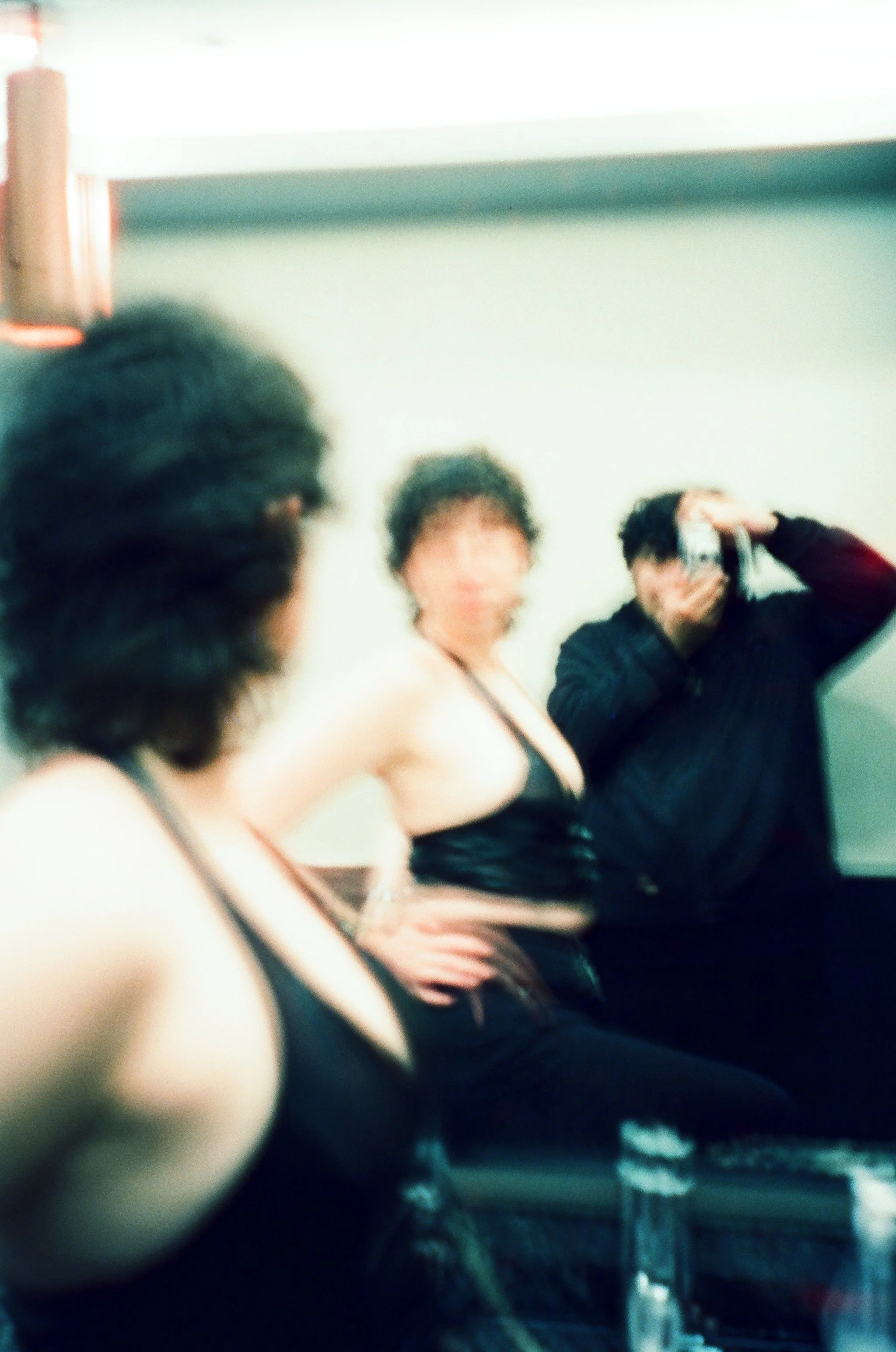
While some photojournalists prefer to remain flies-on-the-wall, Duran and Prettyman-Beauchamp take a different approach: they’re all-in.
The photographers don’t just document the scene; they’re immersed in it. The photos they take reflect their love of the artists, fans, and venues that have kept it alive since the Germs, the Go-Gos, and Black Flag began tearing up L.A. stages in the late ‘70s.
“You can approach it as something where you're kind of hiding behind your camera, and you're quiet and just there to take photos,” Prettyman-Beauchamp said. “We like to be a part of it.”
Prettyman-Beauchamp is the lead singer of the band Pop Hysteria. They command the stage in venues across the L.A. area, performing no-wave, art-punk tracks in devil-horn eyeliner, a head of Betty-Boop curls, and with electric, Poly-Styrene-inspired vocals.
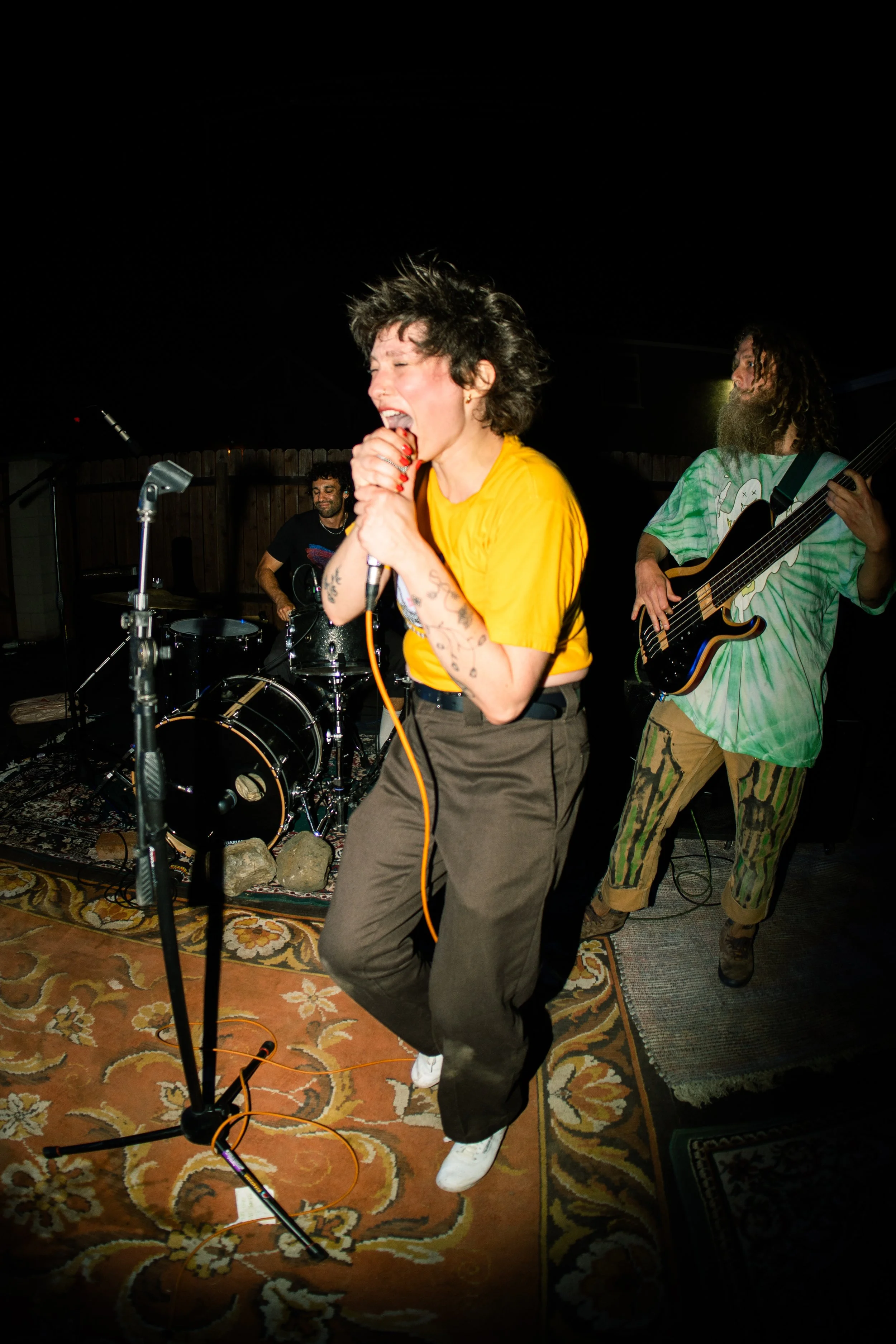
They said their photography inspired and prepared them to take the stage, a lifelong dream for a kid raised on Bikini Kill and Depeche Mode.
“Observing so many amazing performers at such close range and interviewing folks, talking to them about what they do,” Prettyman-Beauchamp said, “It's helped me to think on my feet and know how to perform to a crowd.”
Being in a band has also shaped Prettyman-Beauchamp’s sense for the subtle moments worth capturing in a performance, even through the chaos of the pit.
In 2023, Prettyman-Beauchamp was booked to shoot Joyce Manor on Super 8 at the Long Beach Arena. Duran got a gig shooting the same show, for Slaughterhouse, his friend’s band, and the opener that night. Capped at 10,000 seats, it was the largest show they’d ever shot.
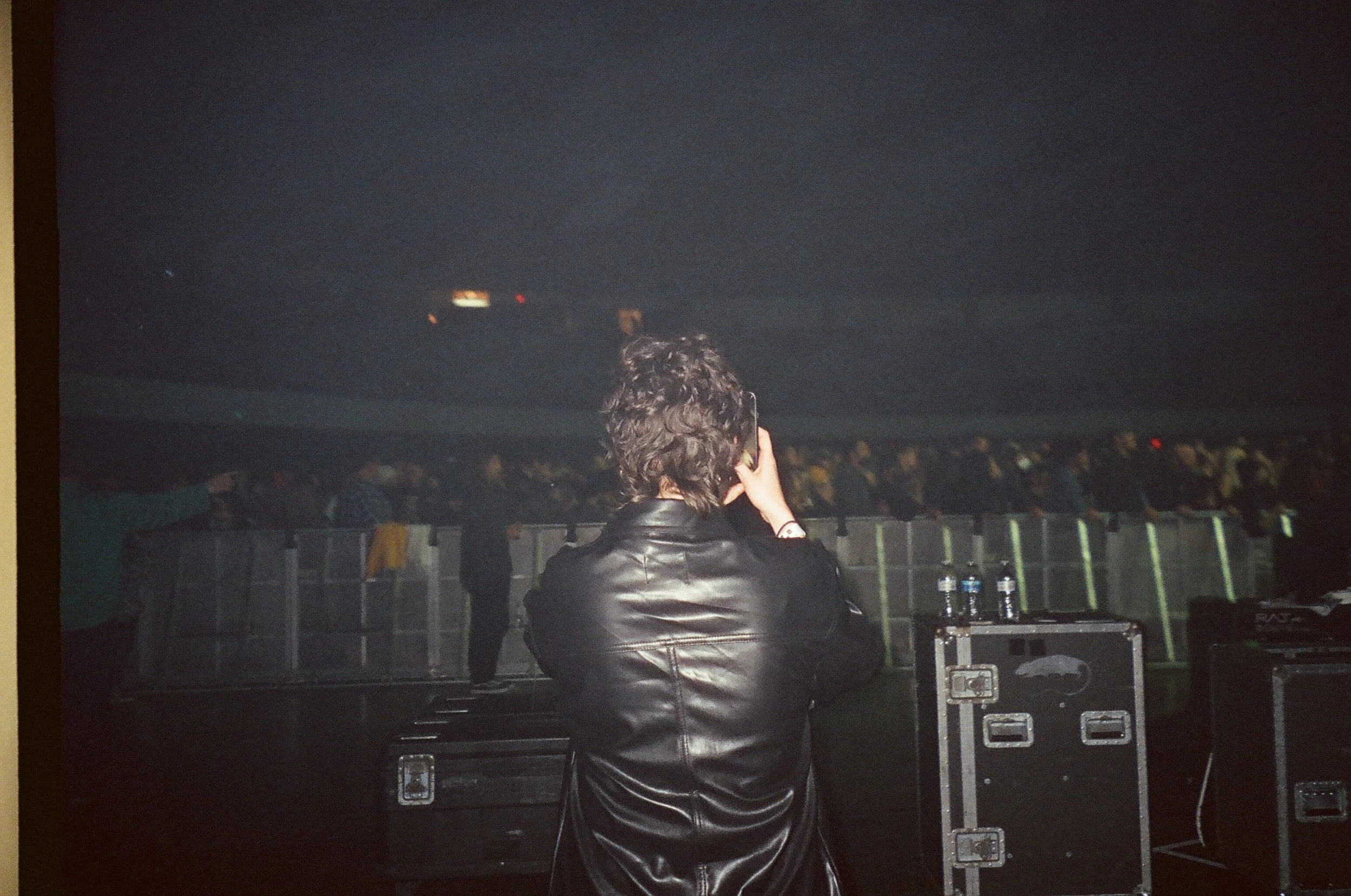
During the performance, Prettyman-Beauchamp snapped a point-and-shoot photo of their friend Veronica, Slaughterhouse’s second singer at the time, dancing in a white tulle skirt under the stadium’s stage lights.
“So many different levels of artistry and beauty and music that are caught in these tiny moments and tiny movements that you don't even really clock right away,” said Prettyman-Beauchamp.
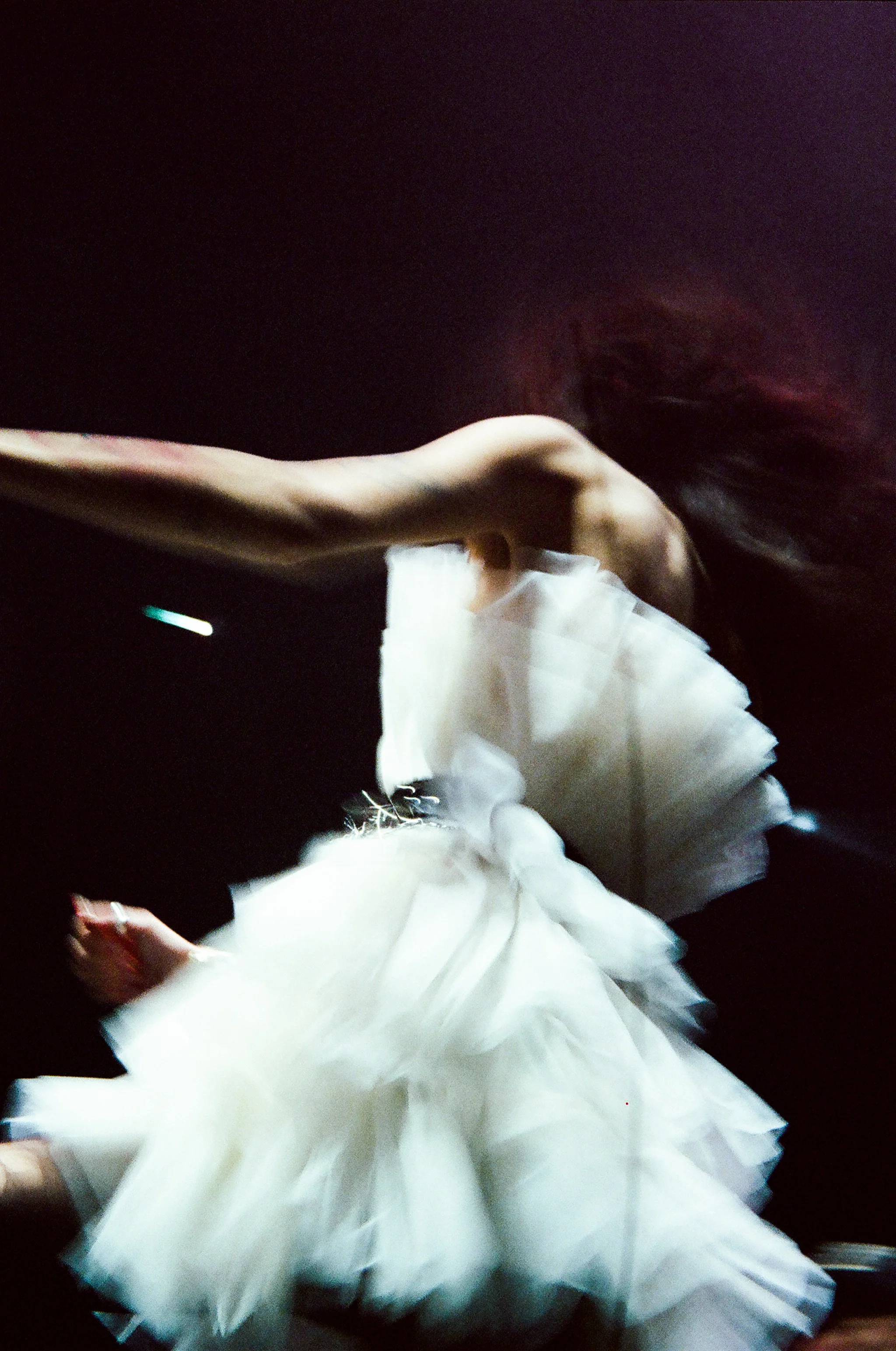
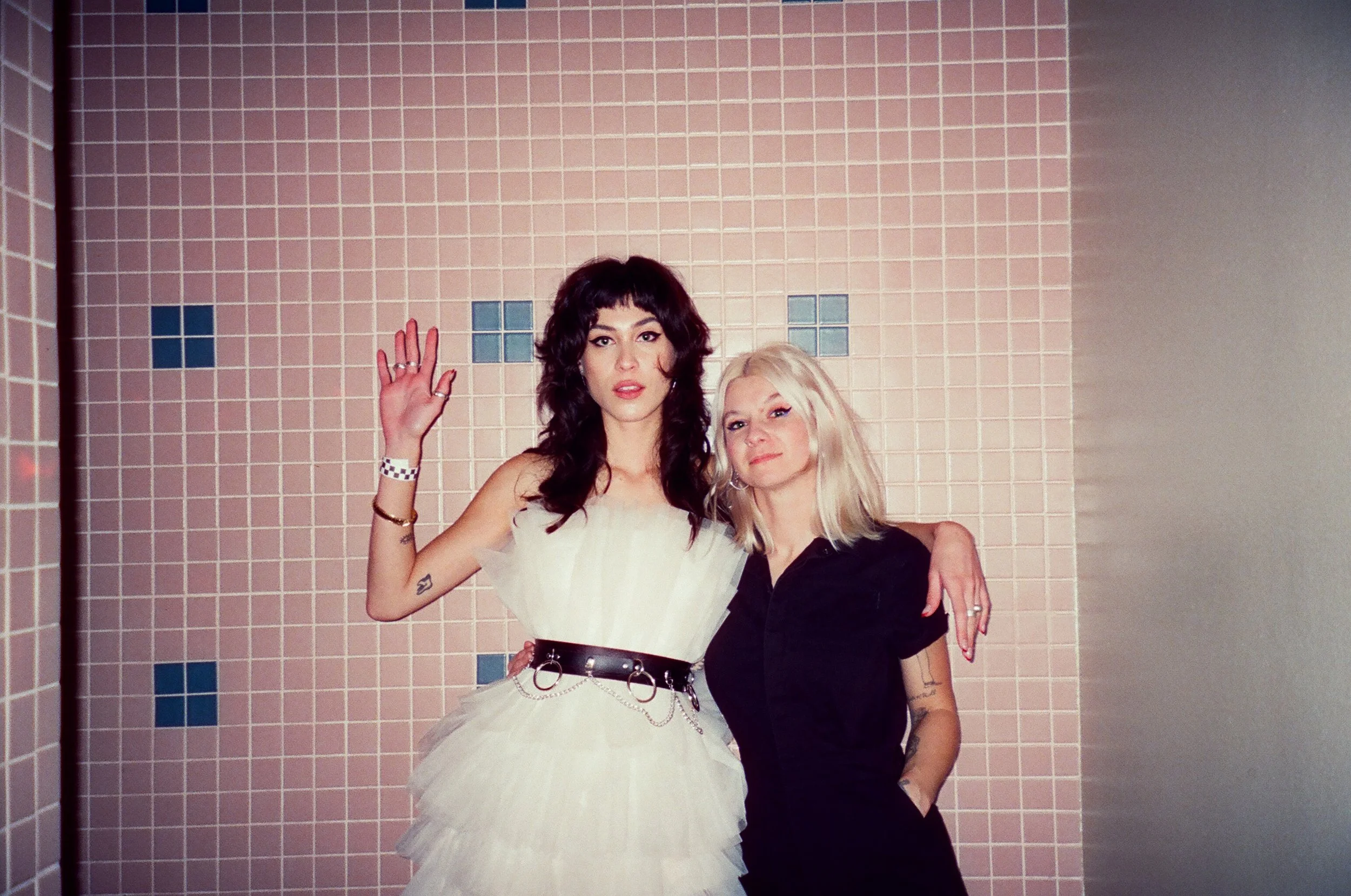
In addition to artists, Duran and Prettyman-Beauchamp often capture scenes of fans dolled up and caught up in the intensity of the performance.
At a show at the Glass House, Duran turned his lens on the audience and found a moment of enthrallment. Looking back, he likes to think the screaming crowd was unsuspectingly taken by storm by his friend’s band, NIIS, who was opening for UK hardcore legends GBH that night.
“No matter how hard I try I can't get something like this on digital,” Duran said. “I love how you can't see her face, you can't really tell what's going on, but you can see the fans going crazy.”
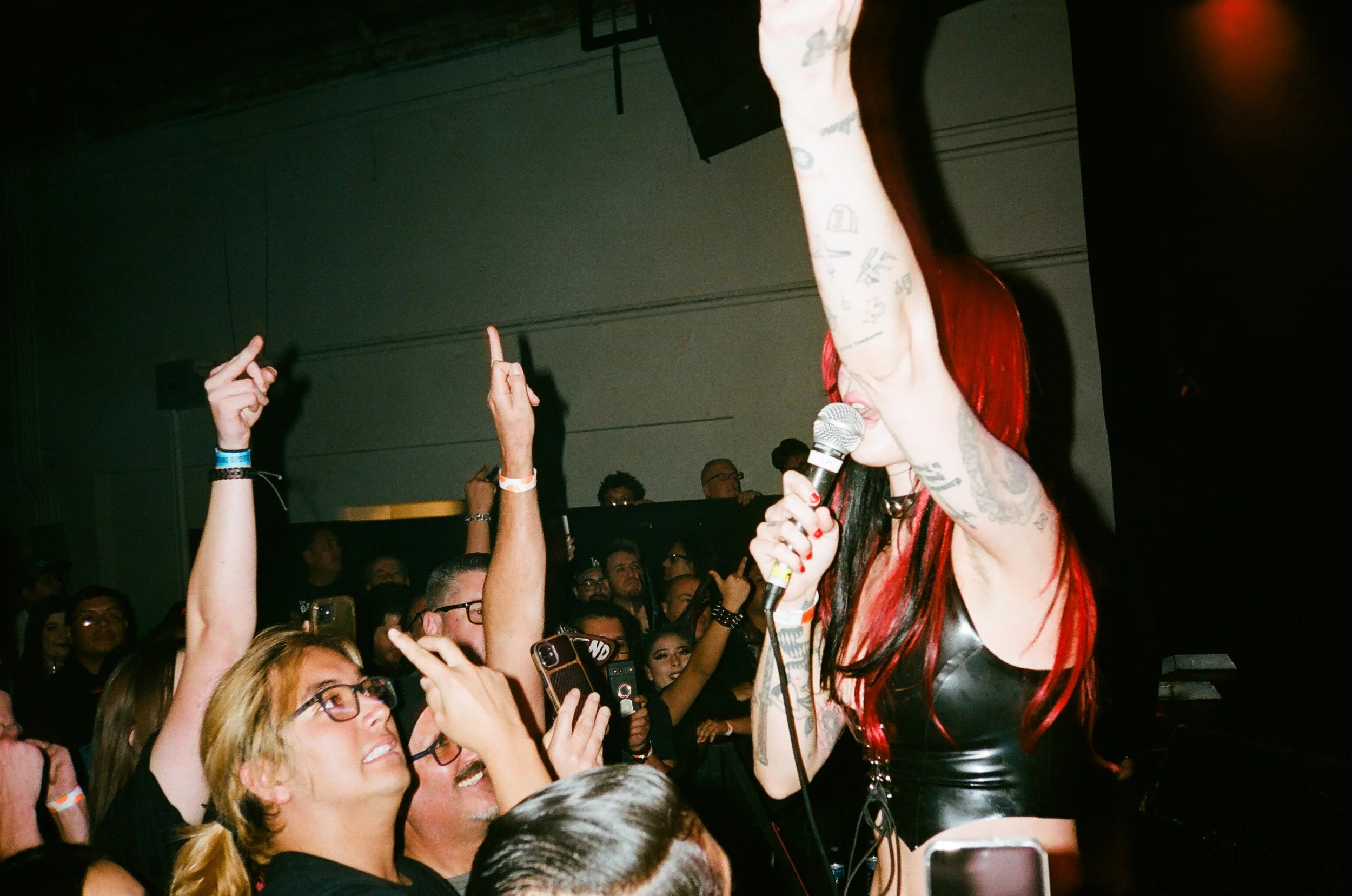
In an industry notorious for its material barriers to success, Prettyman-Beauchamp said the scene’s longevity is a testament to its participants’ scrappiness.
When challenges come up, from a community member’s medical bills to overseas wars, the scene comes together, throwing shows to raise money at whatever venue they can find – or make, out of a living room or backyard.
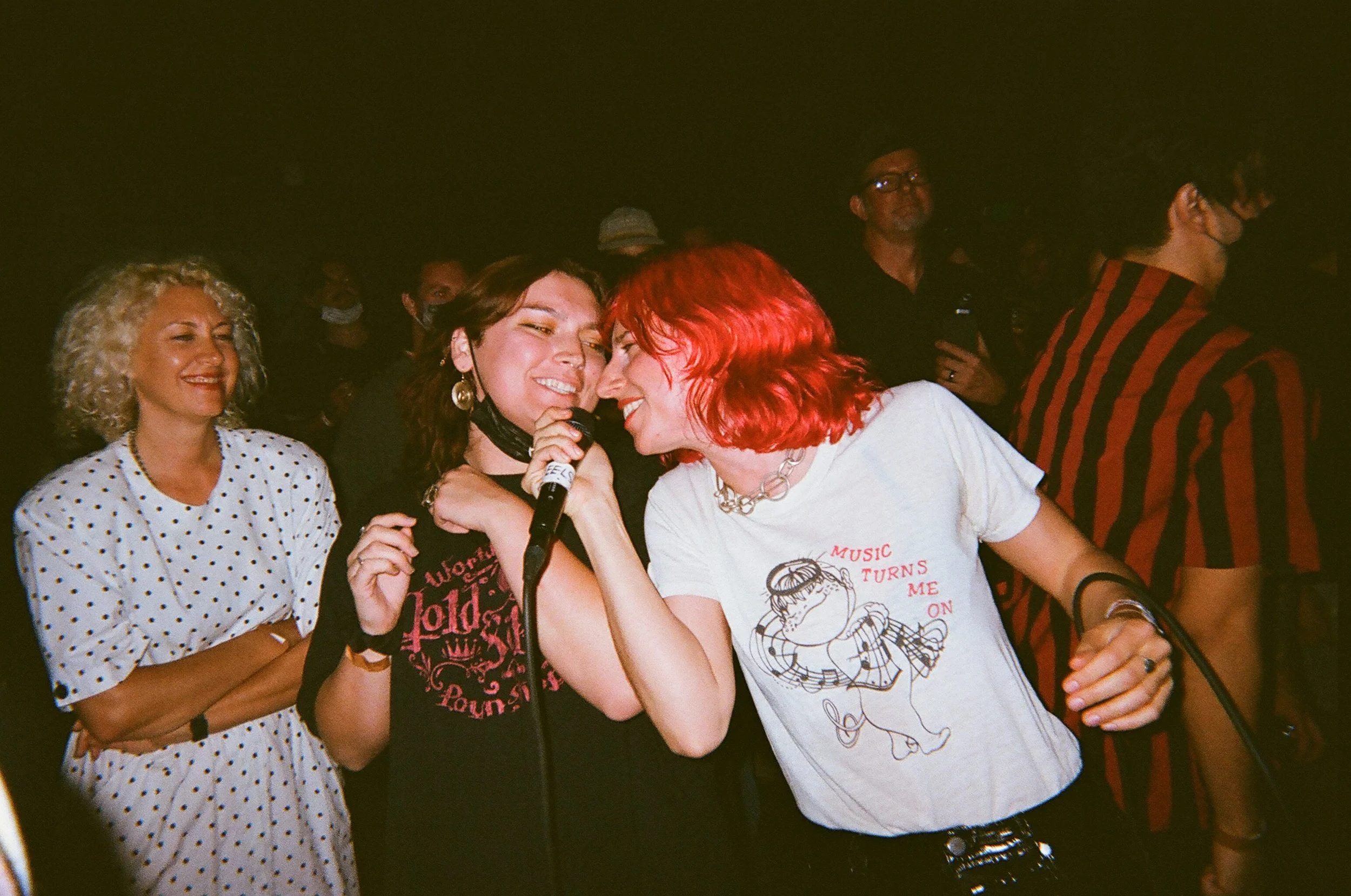
But the flip side of that relentless persistence is its ephemeral nature. Duran and Prettyman-Beauchamp have seen major players rise and fade away.
Since the pandemic, venues that were once staples of the scene have had to shutter amid the rising cost of business and the expansion of venue monopolies. All-ages venues, like Chain Reaction, a now-closed landmark where Prettyman-Beauchamp once dodged a stage-dive from Scowl, have been hit particularly hard.
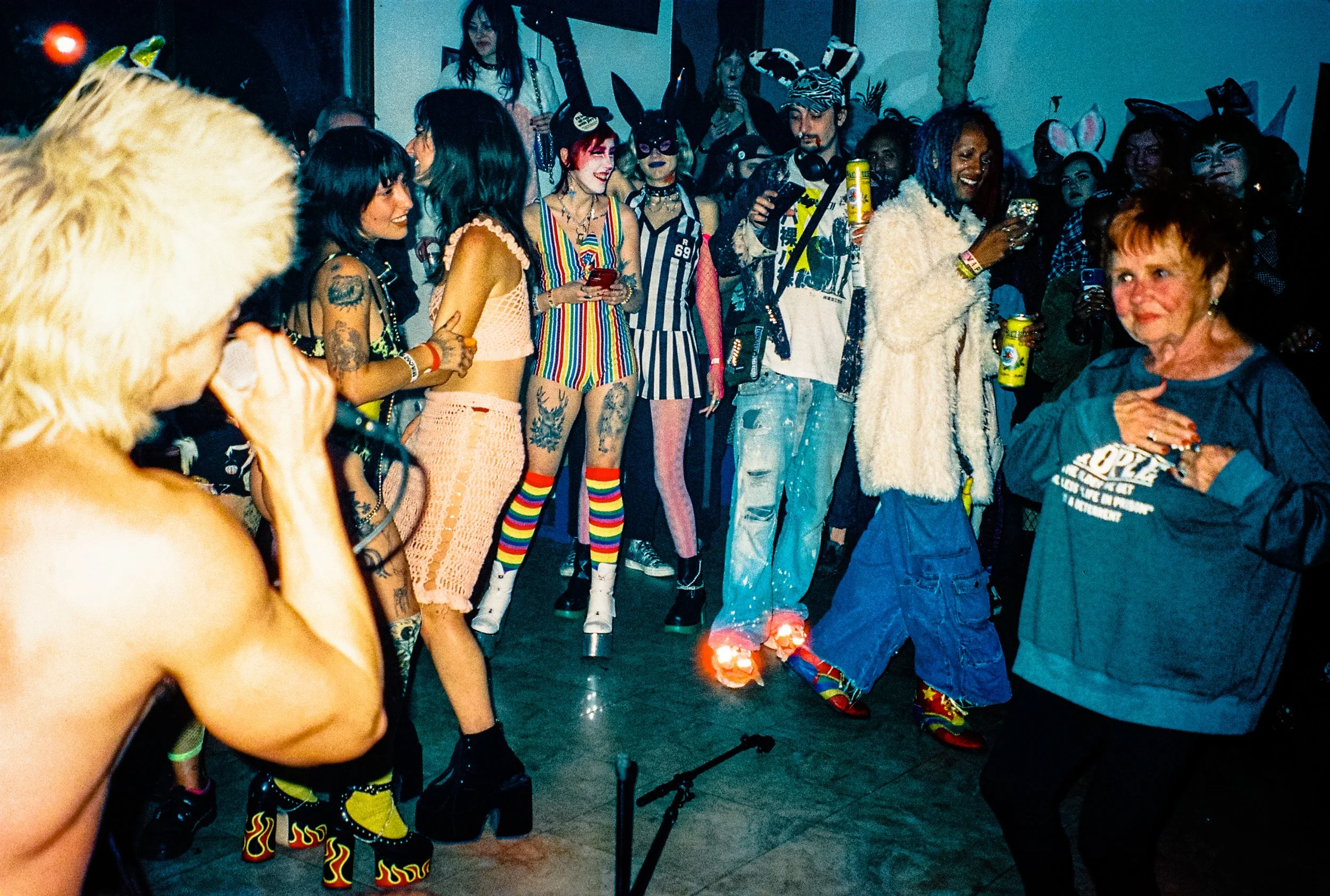
Duran and Prettyman-Beauchamp recalled a show at Coco Beach Presents, a family-run Mexican restaurant along the Pacific Coast Highway that booked punk gigs after hours. The promoter threw a Playboy-themed Halloween party, complete with complimentary bunny ears for every guest.
Prettyman-Beauchamp snapped a photo of “Turbo,” an older woman known to frequent shows across Long Beach. She danced to the singer, Bonavega’s, serenade alongside crust punks and glammy scene regulars who braved L.A. traffic to make it to the show.
A few months later, Turbo passed away. Since then, Coco Beach Presents has closed down.
“It’s such a cool snapshot of a very specific moment in Long Beach punk history,” Duran said. “I’m very grateful we get to be a part of it.”
For Duran, Prettyman-Beauchamp, and their friends, these photos are the archive of fleeting moments from the scene’s swirling center, evidence of the fashion, culture, relationships, and of course, the music that will one day be SoCal history.
Film plays a unique role in archiving that history and in complementing the scene’s DIY ethos. Duran and Prettyman-Beauchamp cherish analog photography for its unpredictable nature and reliability amid the ubiquity of digital forgery and cloud services.
“You don't get to perfect it in the way that we get to perfect everything these days,” Duran said. “It's very raw, and it's very real. Everybody uses those two words to beat film to death, but it's true.”
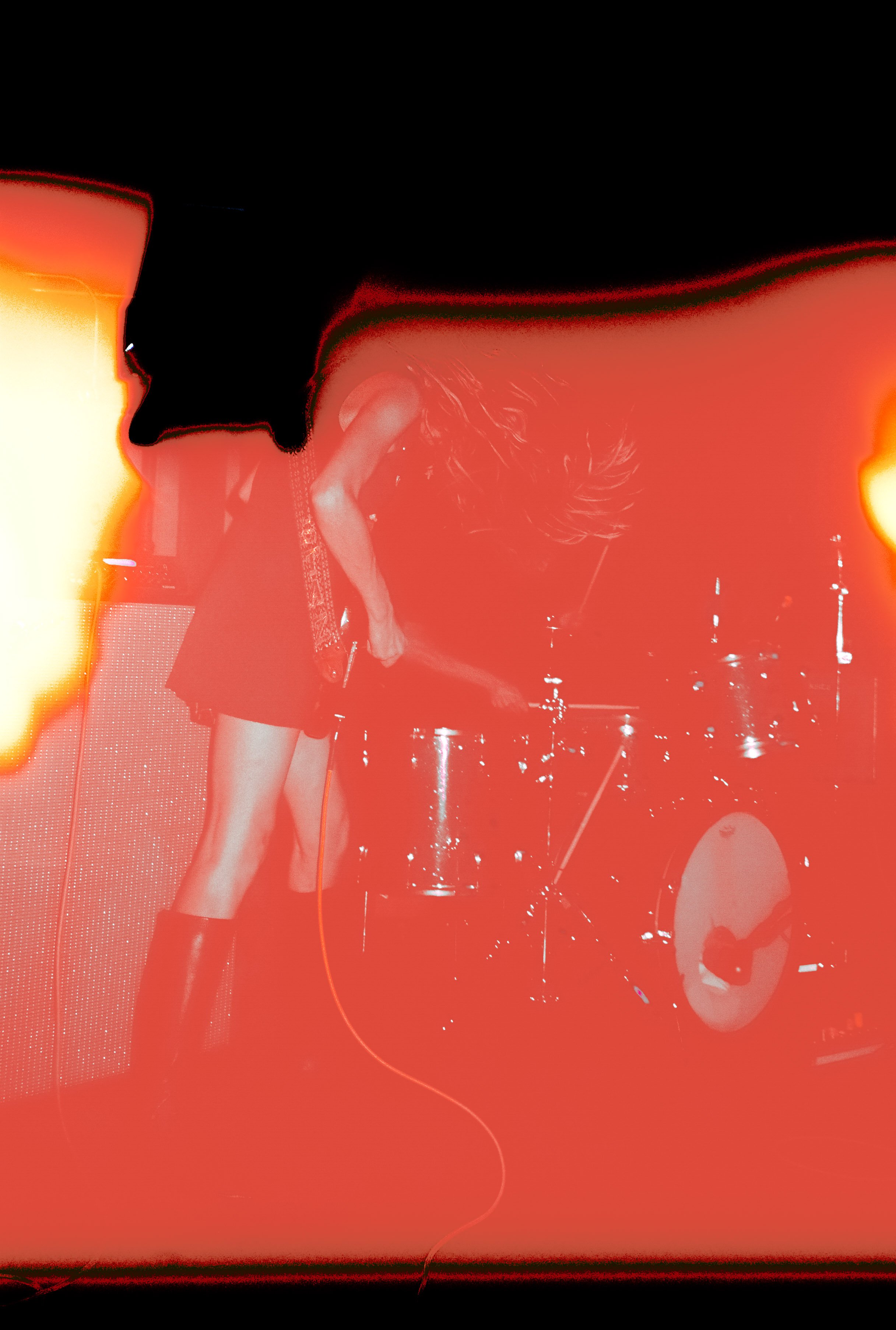
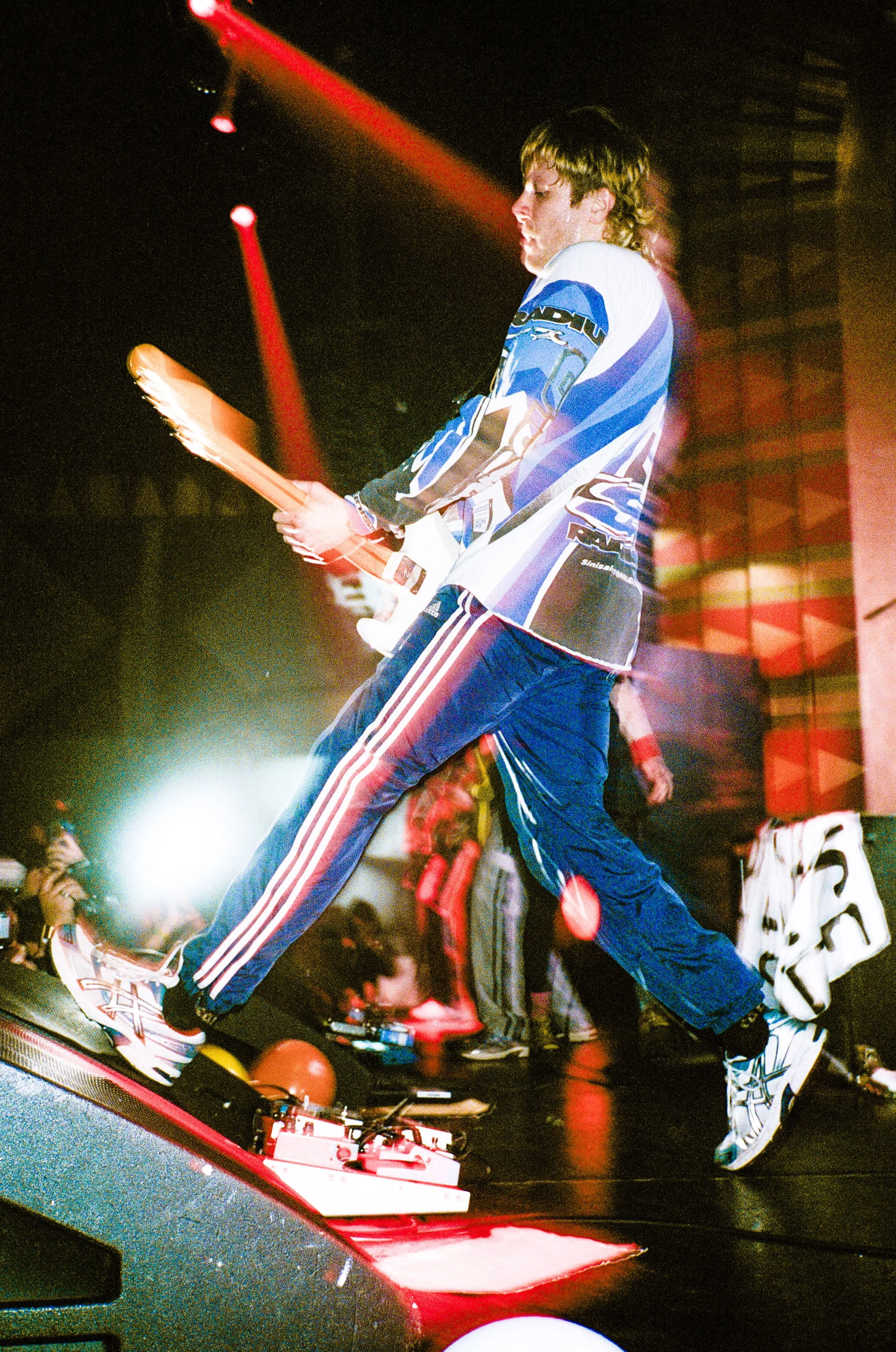
At that arena show, where Slaughterhouse played to their biggest crowd yet, Duran and Prettyman-Beauchamp were hanging out with the band as they set up their equipment on the stage. Duran snapped a photo of Veronica messing around on the massive stage.
There was no music yet, no stage lights, no fans. Just friends messing around and reveling in the significance of a moment that would soon disappear.
“It almost brings me to tears. So much is different now,” Duran said. “I see how they change, and I've taken pictures of it. I know I'll look back and be totally happy that I was there and I was truly living it.”