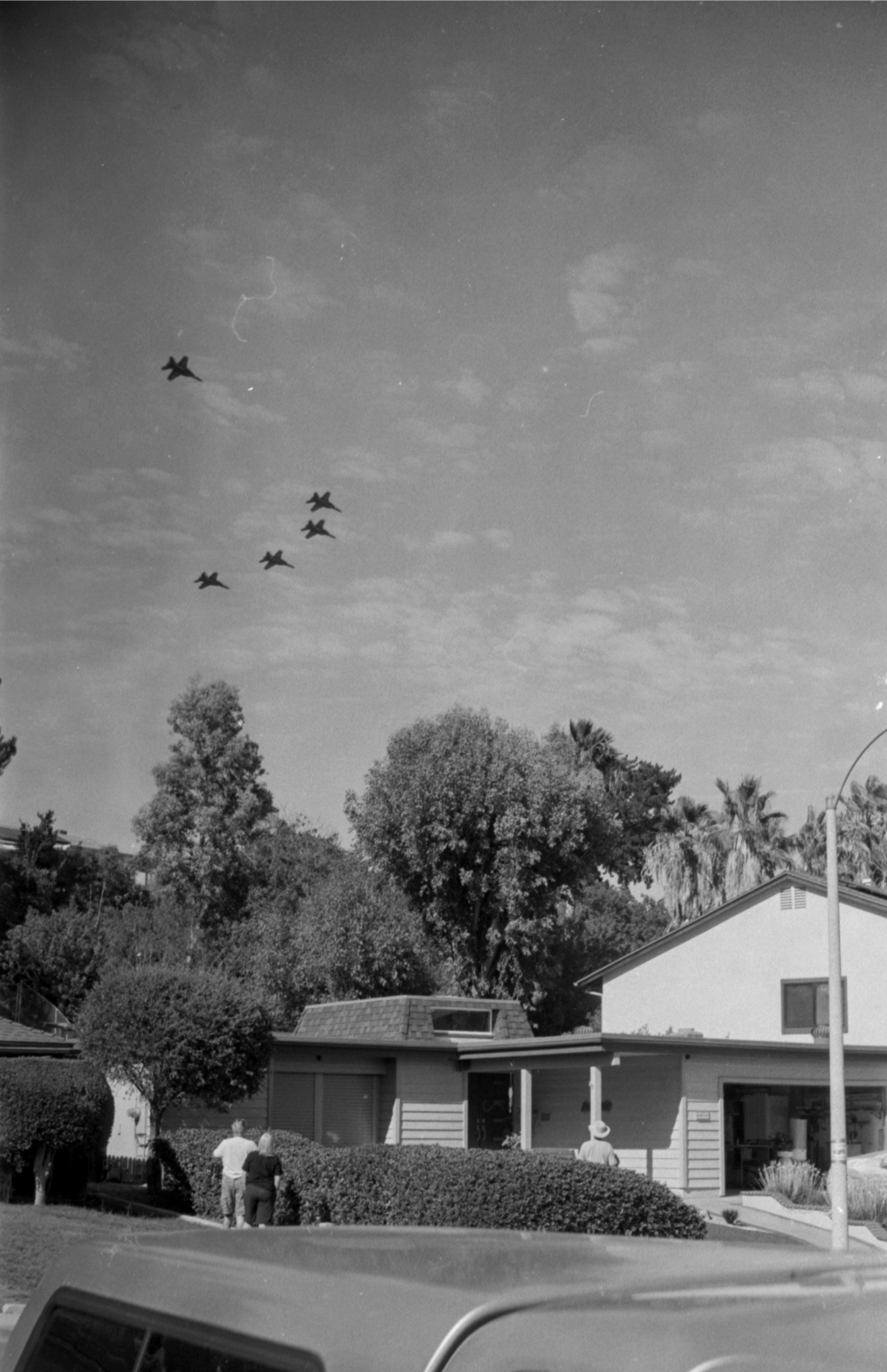
The slow life: Jack Furgerson tells the story of San Diego suburbia on film
When he’s shooting professionally, Jack Furgerson can be found lugging his heavy waterproof digital housing across the waves to capture surfers shredding up the San Diego coastline. Furgerson first took his camera out into the ocean as vice president of UCSD’s surf club. His action shots capture the unmistakable look of the city’s coast and many a Californian’s favorite pastime.
But the rest of the Encinitas native’s work paints a picture of San Diego that is quite different from the sun-soaked, palm-lined beaches for which the city is famous. Just a few miles east of the Pacific is the San Diego where most residents spend their days. The suburbs spill inland, a sprawl of drought-friendly lawns connected by the roaring current of traffic along the freeways.
This is the San Diego that captures Furgerson’s attention when it’s just him and his Pentax.
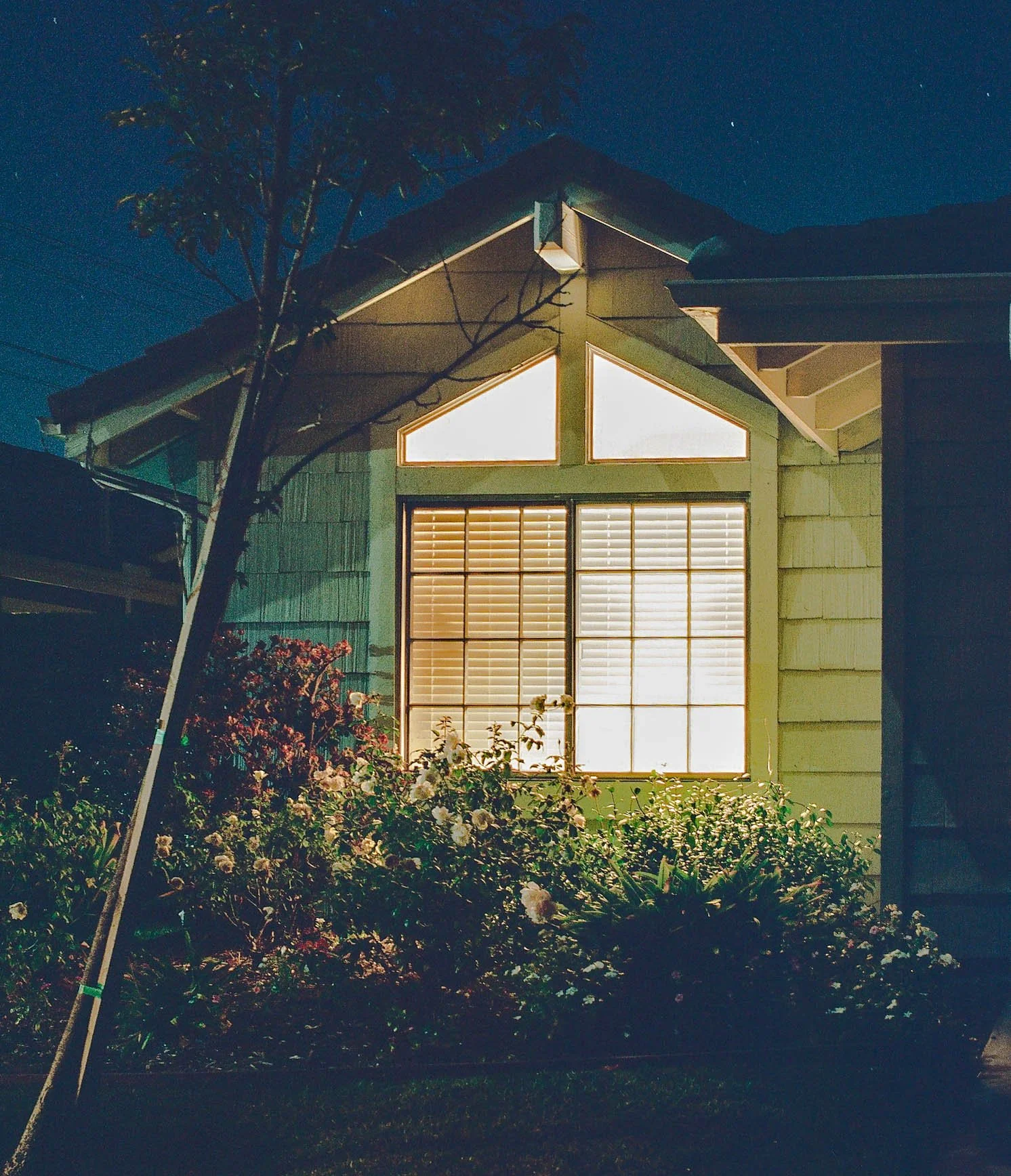
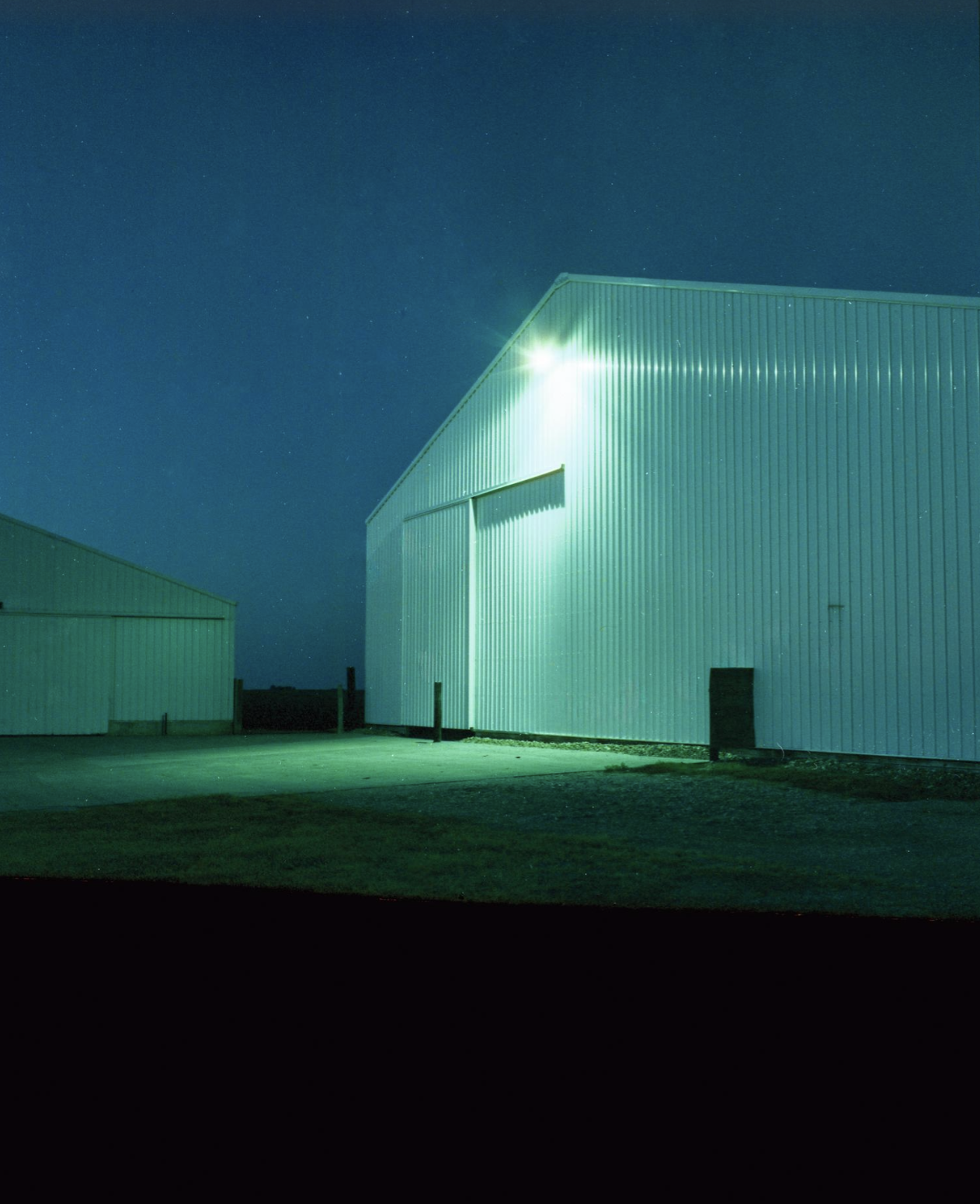
Moving closer to the city’s urban center to attend UCSD opened his eyes to the differences across the region’s vast span.
“You can still see the suburban landscape of where I grew up, versus also seeing these little things, like, oh, this is the city of San Diego,” Furgerson said. “It encroaches on more suburban areas.”
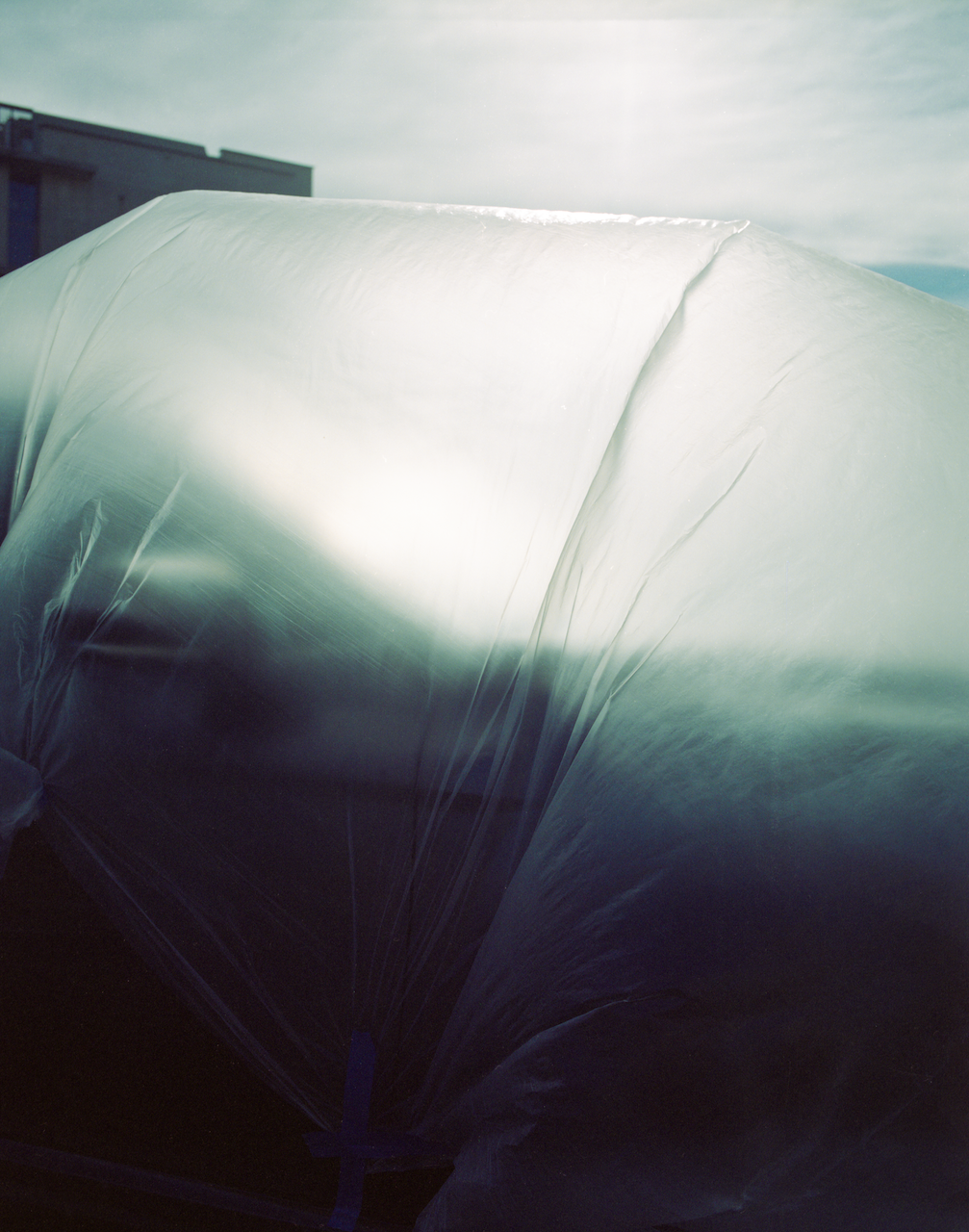
Though he rarely shoots portraits, Furgerson’s work is deeply human. He aims to document “the impressions that people make on the landscape,” with his analog photos of the built world in America. Though he shoots primarily in San Diego County, his work spans neighborhoods from Iowa to New York.
“The photography that I like to take the most are the ones where I'm in a new place, and I'm comfortable enough to stop and really be intentional,” Furgerson said.
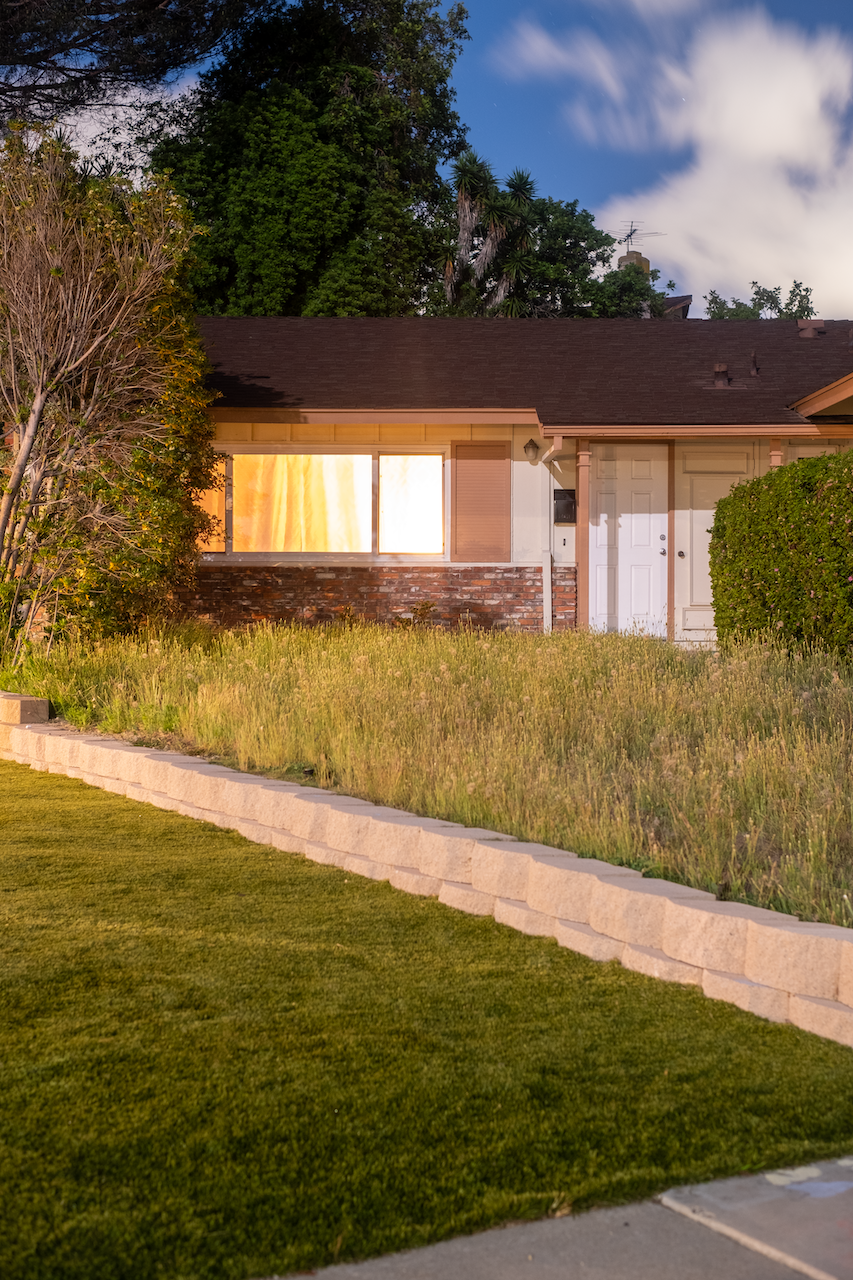
Furgerson is inspired by Todd Hido’s suburban night photos, especially those featured in his collection Intimate Distance. Furgerson started developing his own take on suburban photography while walking around Encinitas with his camera after dark during the pandemic. Like Hido, Furgerson uses a long exposure to capture the glow of windows and street lamps. The effect is liminal; the spaces can feel both peaceful and lonely.
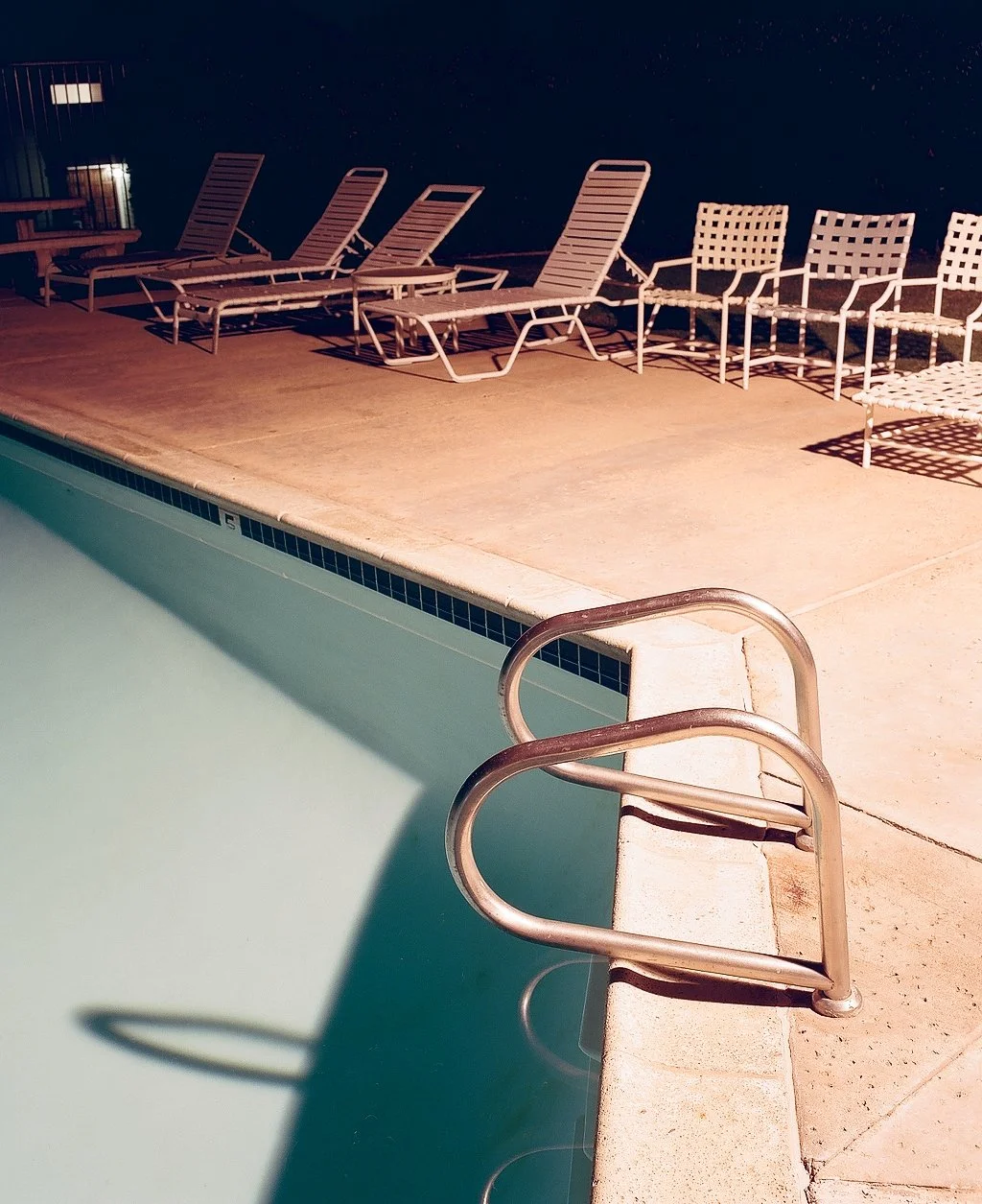
Furgerson continued this practice as a student in UCSD’s Media program. One night, he was drawn to the image of a neighbor’s house four doors down in University City. The house, a ‘70s bungalow with an overgrown lawn and no residents in sight, seemed to epitomize the neighborhood’s character.
He set up his camera.
“I was kind of nervous because I don't know these neighbors, and I was going to stand in the street for probably three minutes in front of their house with a tripod,” Furgerson said. “At night, it's a little bit more intimate, especially when you're aiming at a window.”
He took the photo anyway. The next night, he passed the house on his way home. They had mowed the lawn.
“If I would have waited one more day, I would not have been able to get that picture!” He said.
The limited space on a roll of film can easily lead to hesitation, especially for those new to the medium. Furgerson makes sense of this pressure through the lens of Henri Cartier-Bresson’s “decisive moment” – the idea that photographers recognize fleeting moments that tell a story, rather than reproduce reality.
Like the night he took the photo of his neighbor’s house, Furgerson encounters decisive moments anywhere he brings his camera. He vividly remembers walking around the Lafayette Hotel when he noticed a newlywed couple sharing a kiss. He wasn’t sure if he could get the shot – there was a window between them – but again, he went for it.
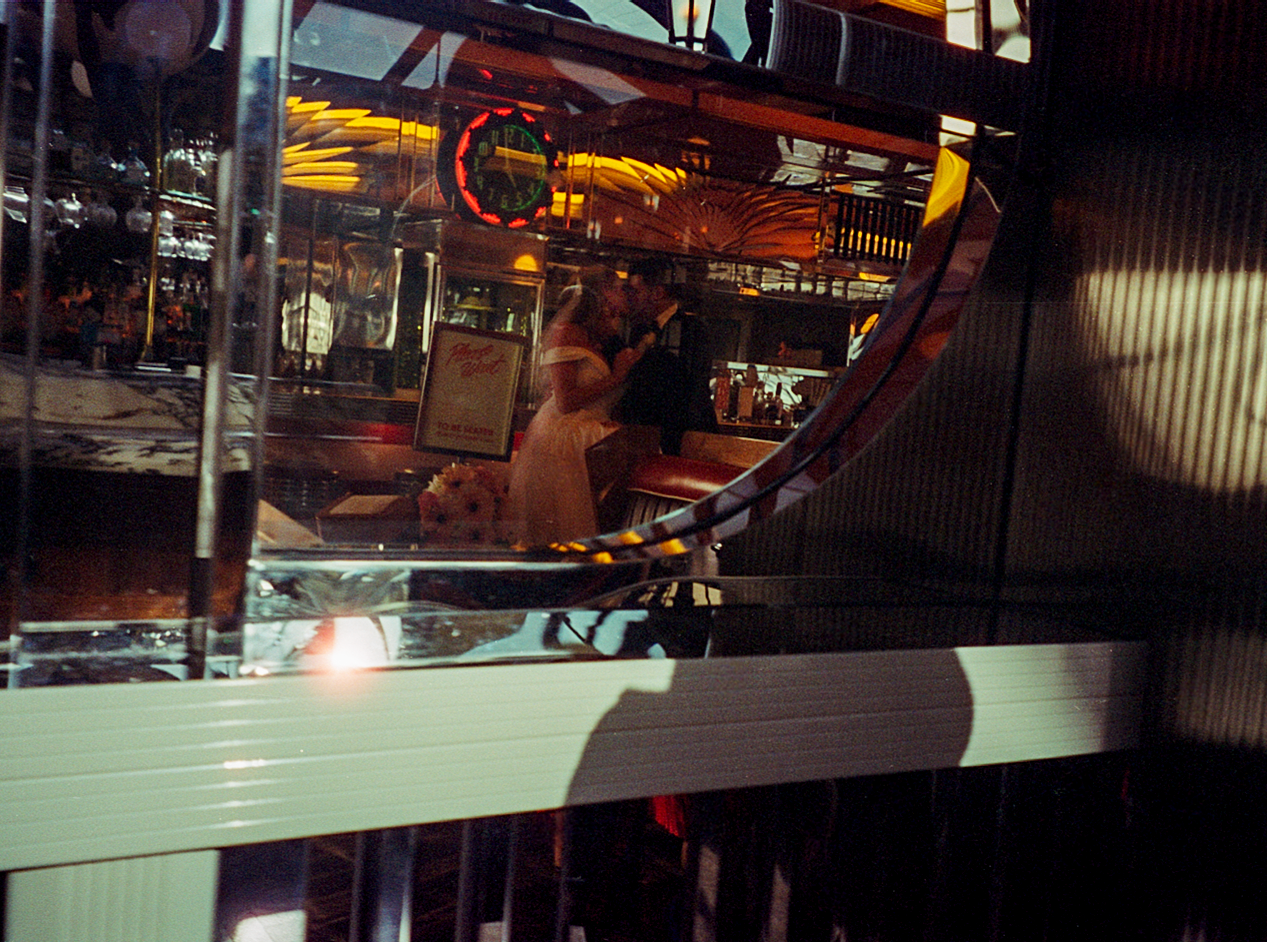
“At some point, you just gotta be like I am releasing myself from the inhibition,” Furgerson said. “I would remember if I didn’t click the button on this one.”
Beyond photography, Furgerson has used film to complement other media. From collaging a journal to exposing cyanotype paper under ocean refractions, Furgerson plays with both the slow, thoughtful nature of film and the instantaneous potential of the decisive moment to capture distinct textures across San Diego’s beaches, parking lots, canyons, and backyards.
He finds that film lends itself to a more deliberate process that begins long before frame composition, from choosing a film stock to deciding on a subject.
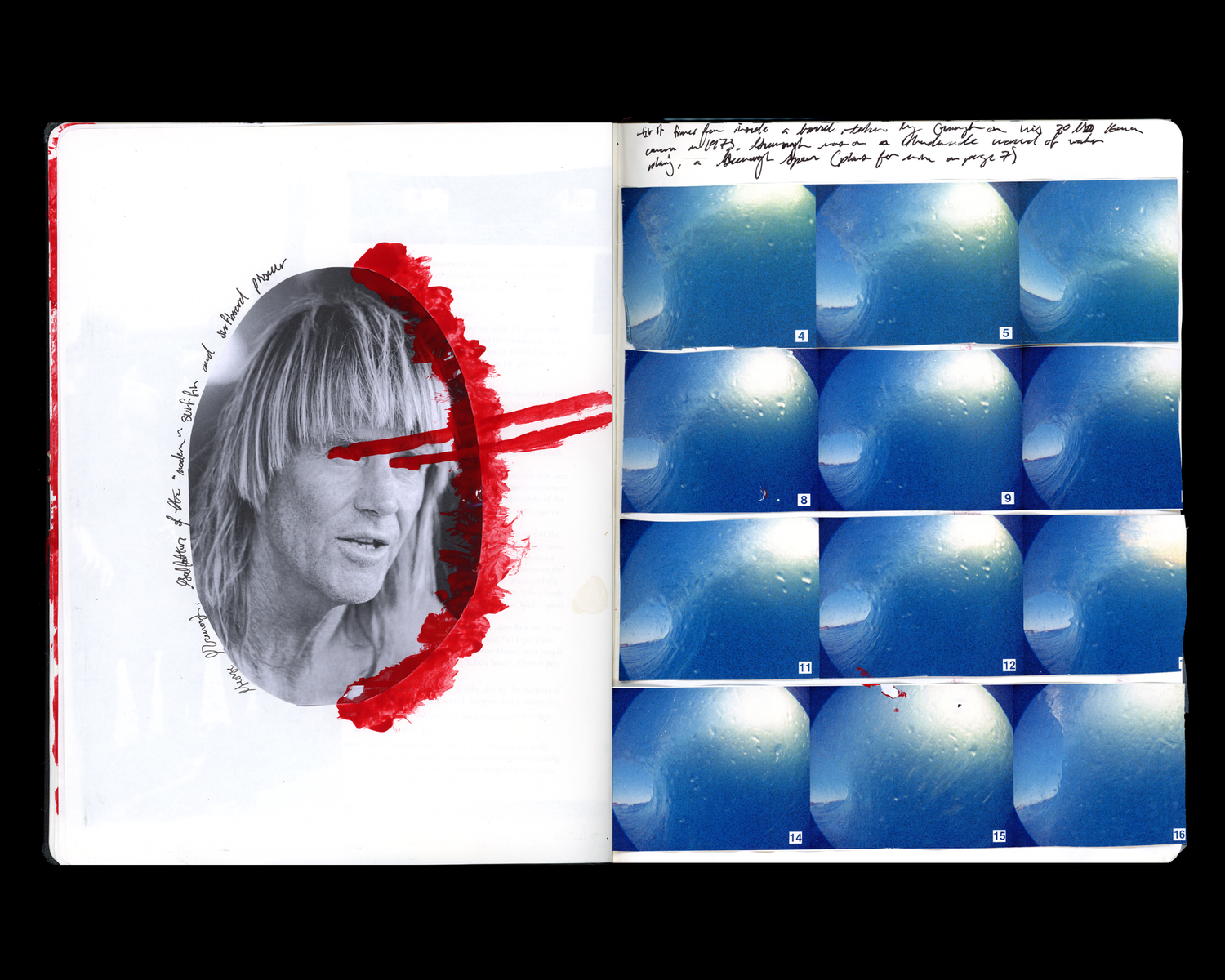
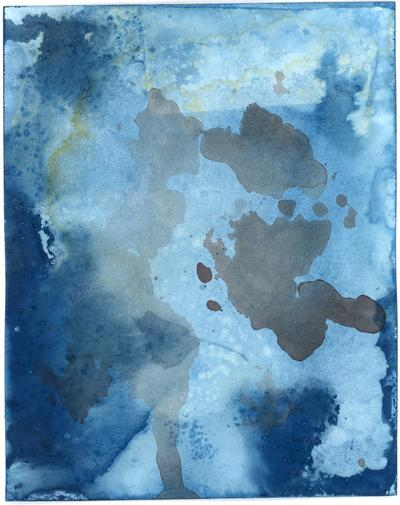

Inspired by photographers of the past and present, he explores the work of fellow artists through an ever-growing collection of photo books.
The process of printing and curating his own photos helps him notice themes across his work. His most recent project, Heikō, is a zine that highlights the consequences of urbanization in San Diego’s residential neighborhoods.
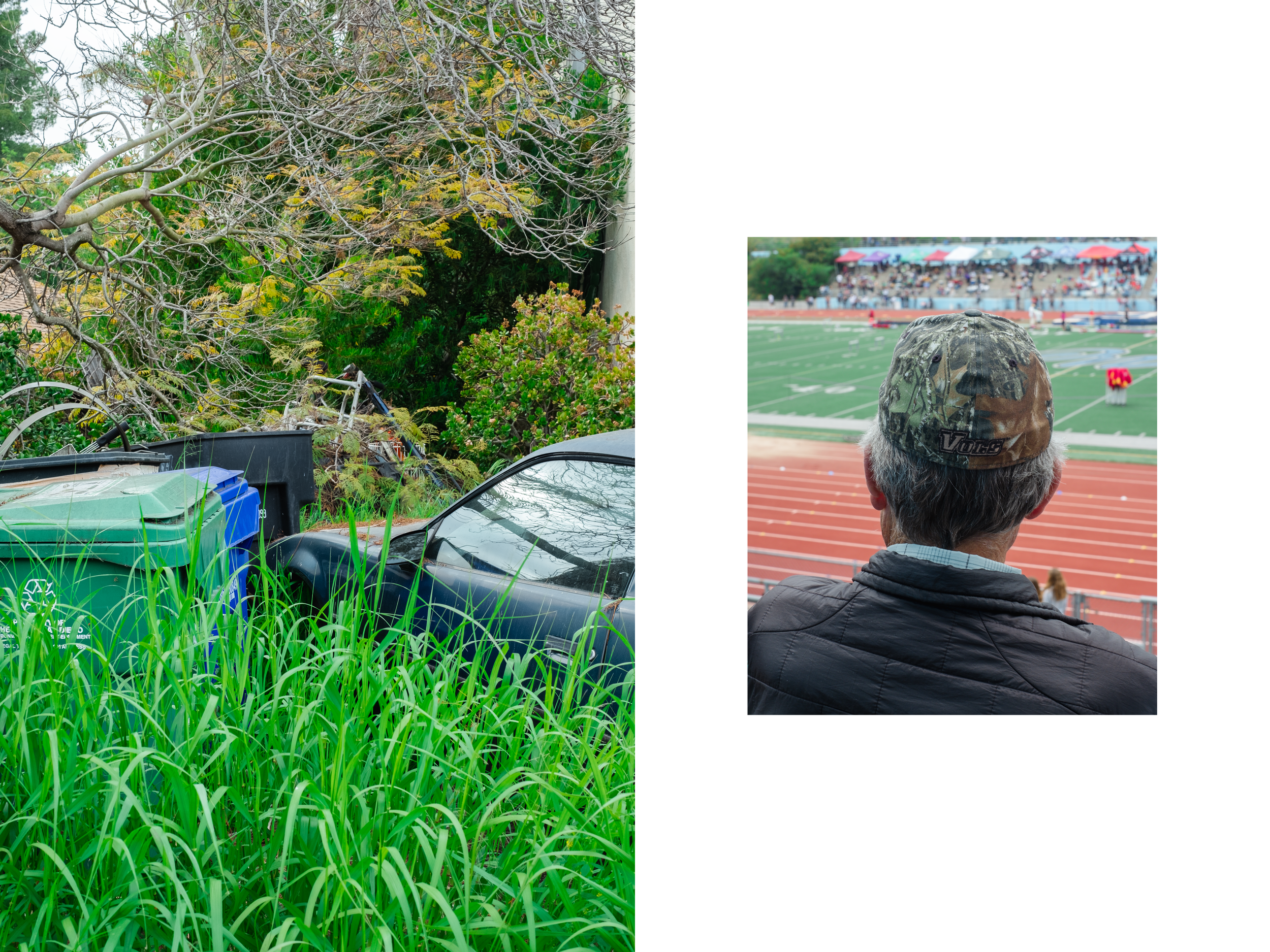
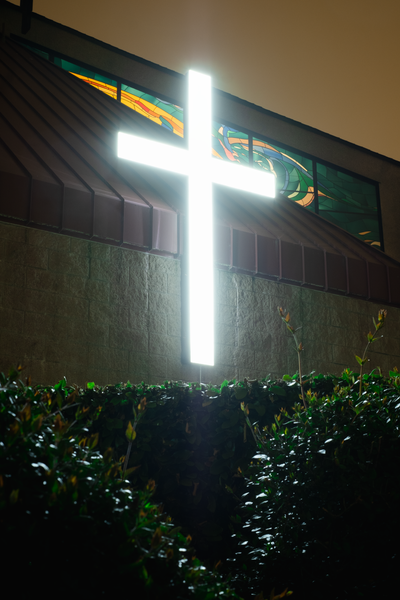

Self-assigned projects like these keep Furgerson’s creative momentum rolling.
“I think it helps you realize more of why you're taking the pictures,” Furgerson said. “People will have that decisive moment without knowing it.”
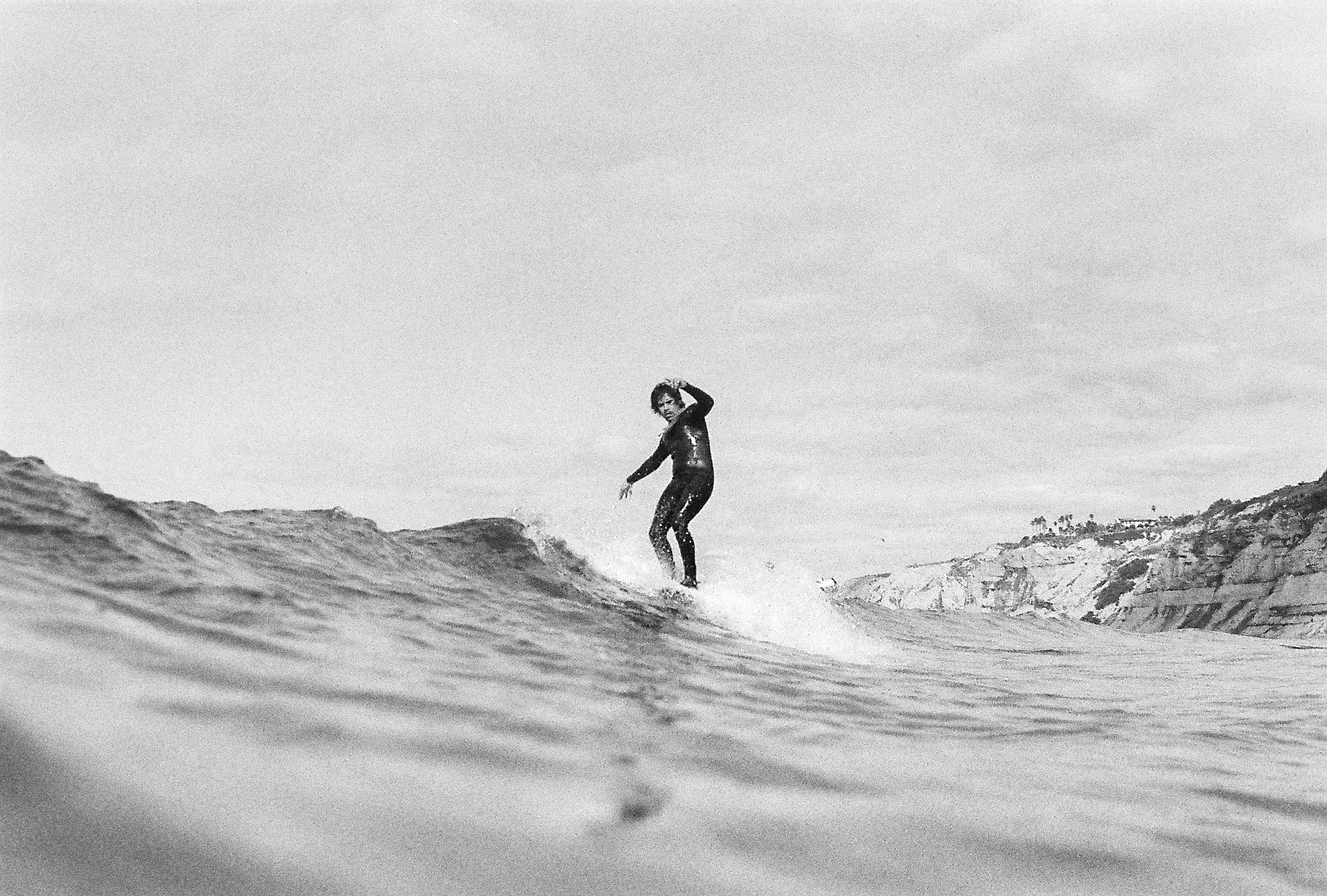
Any other perspective could miss the connections between Furgerson’s range of work: stucco track homes with opaque windows, residents tinkering on their cars, and the unmistakable froth of breaking waves. Together, these snapshots complicate the story of a region often defined in popular imagination by its picturesque destinations.
But to the San Diegan who knows their city, the connection is clear. They may even know just which freeway to take from one shot to the next.