A Year in Change: Yearbook Creative turns One
Just over a year ago, local chef Charles Knowles approached his childhood friend, photographer Enrique Espinoza, with an idea: conceive a club for creative professionals and toe-dipping dilettantes to interact and incubate ideas at his café, Bica. The gentle nudge gave Enrique cause to muse over a core memory that had shaped his creative ethos and worldview.
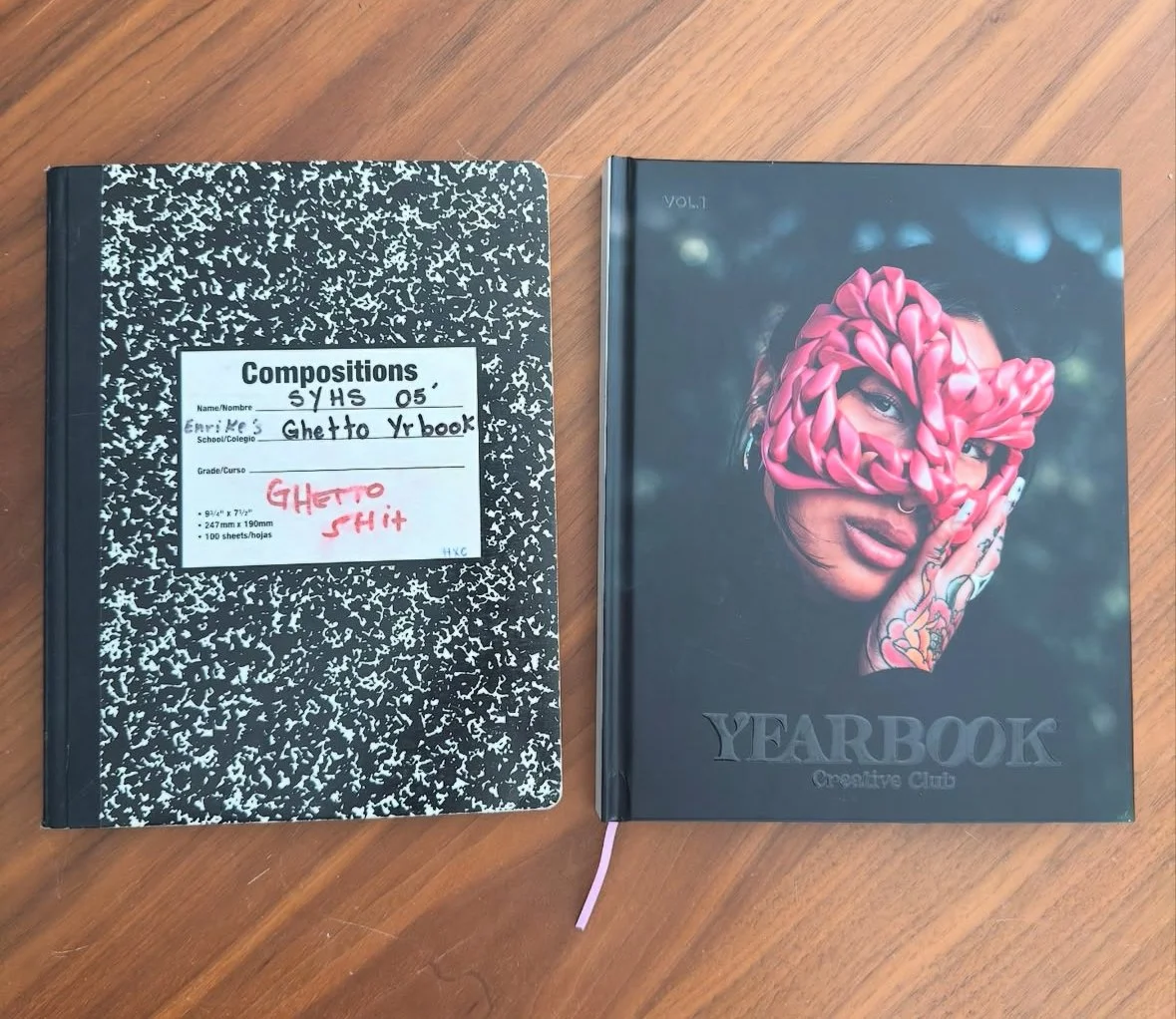
Decades earlier, while enrolled at San Ysidro High School, Enrique found that yearbooks were financially out of reach. To compensate, he made his own — a composition notebook personalized with images and messages scrawled by his friends to preserve the relationships and moments that might have otherwise faded.
It was an ingenious act of open-source resourcefulness which stayed with him as he cut his teeth as lead photographer for Major League Gaming and, later, as a creative director for Astro Gaming, acquired by Logitech, in San Francisco. Throughout his career, he has treated creative advancement as a collective endeavor. Always pursuing an artistic trajectory in split screen, Enrique placed value in generating waypoints for others as he leveled up in the gaming industry. A rising-tide-lifts-all-boats sensibility that informed his decision to forge a partnership with his brother, Uriel Espinoza, to become known as a respected photography duo in the esports world.
While living witness to his and his brother’s individual creative development, Enrique observed other commercial photographers embody the credo that opportunity expands in open social circles. Acting as touchstones for inspiration, Evan Thompson’s Flaskmob photowalks in San Francisco galvanized attainable, community-driven points of entry for photographers; while New Yorker Steve “Sweatpants” Irby’s widely-regarded photography magazine, Street Dreams, crowdsourced images indiscriminately from Instagram users for publication.
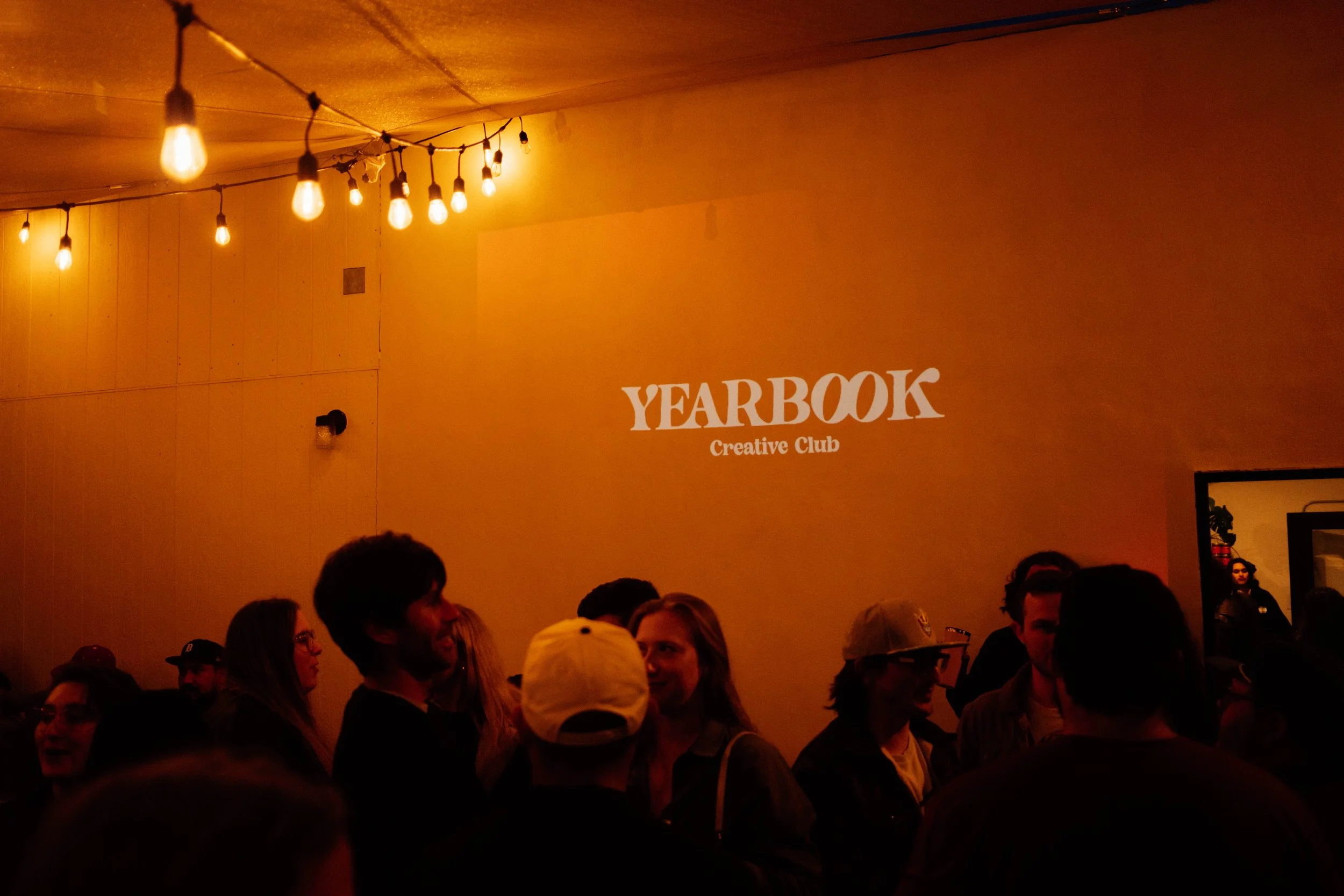
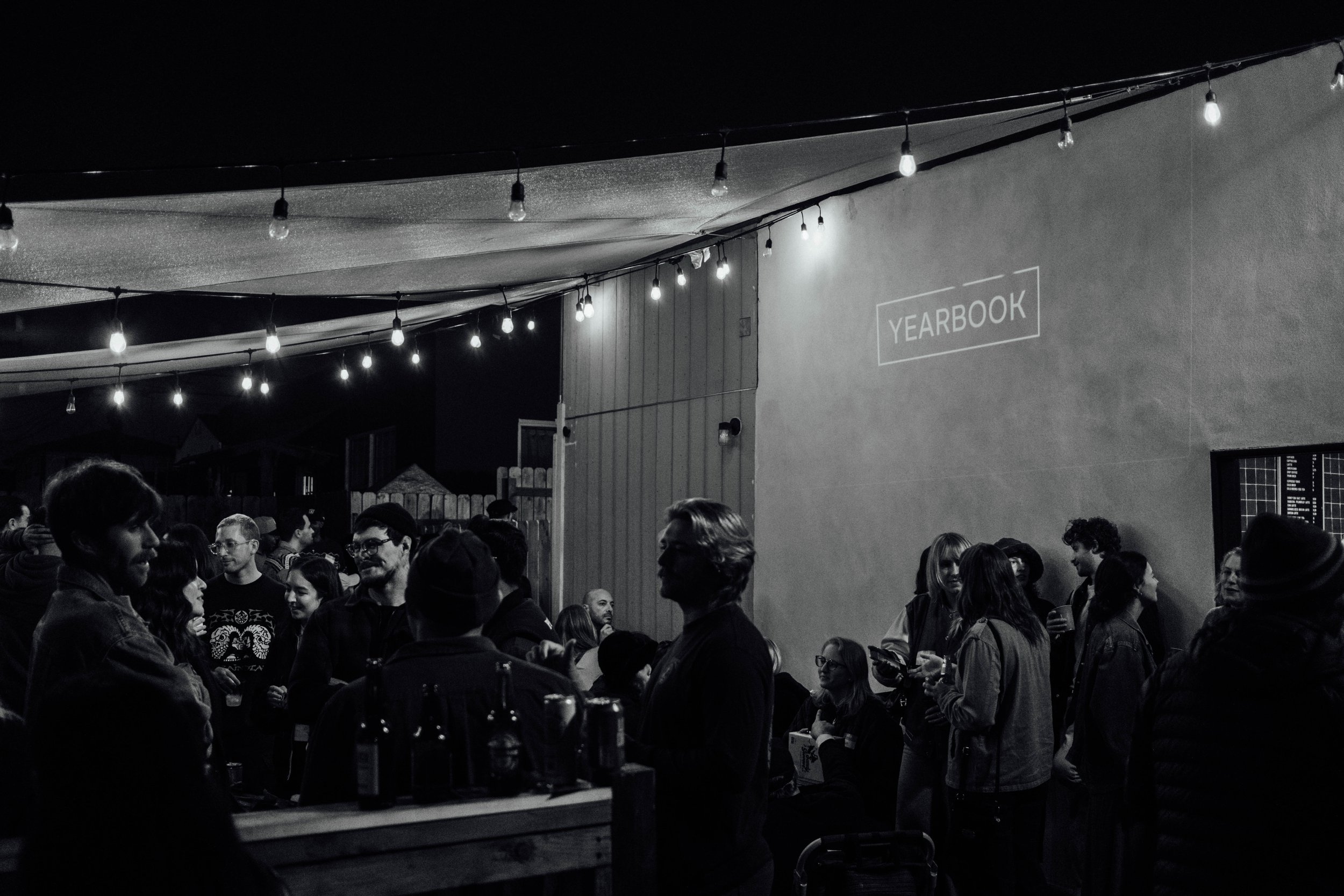
Drawing from these illustrations of in-person exchange and inclusive representation, Enrique’s conversation with Chef Knowles sparked his interest in cultivating a comparable ecosystem. In November 2024, what began as a laid-back dialogue quickly snowballed into the fully fledged launch of Yearbook Creative on Bica’s patio – complete with disposable cameras, Sharpied name tags, flash tattoos and work by both emerging and established photographers projected onto the cafe’s stuccoed facade. It was an evening that set the tone for how the community-first collective would show up in the world.
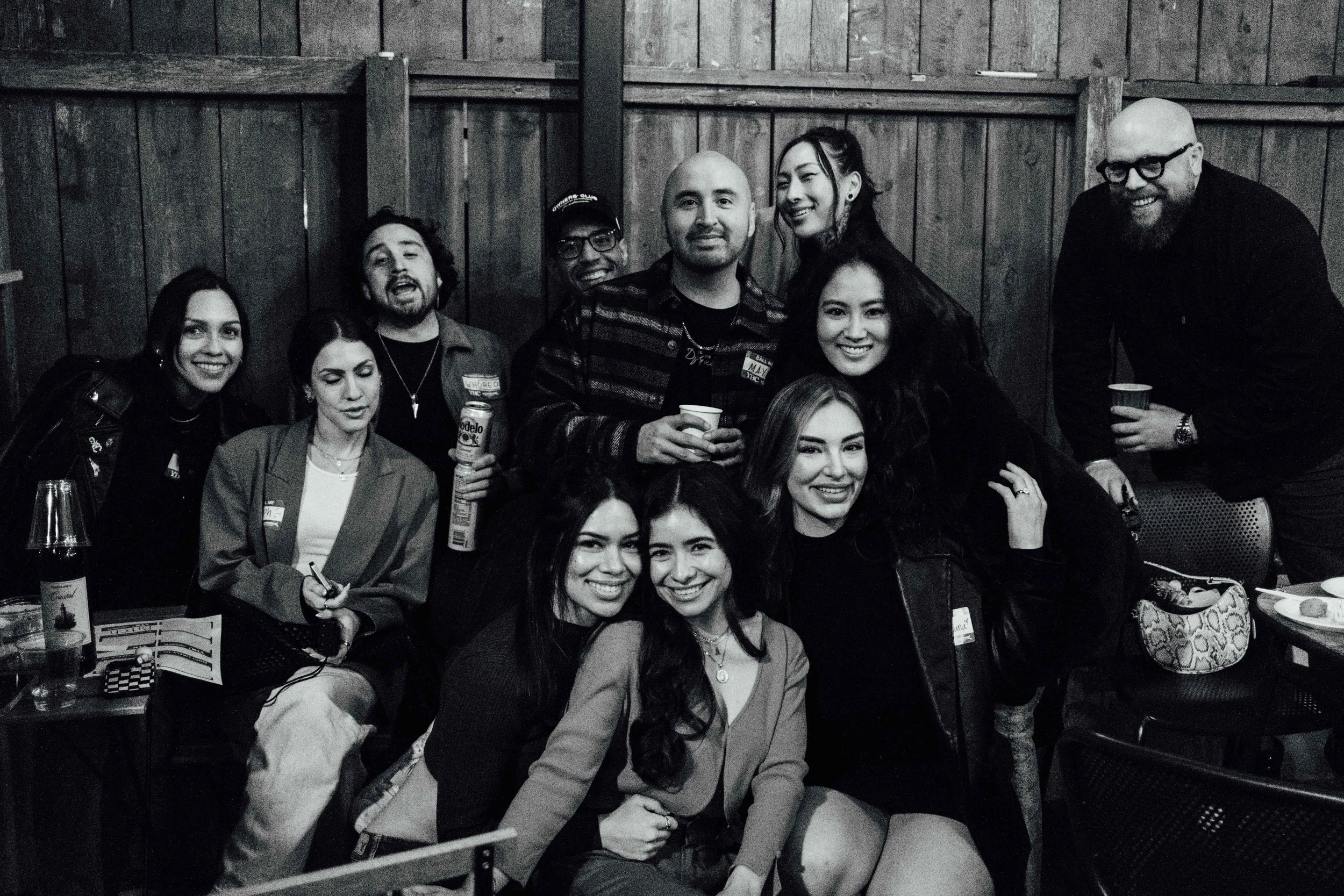
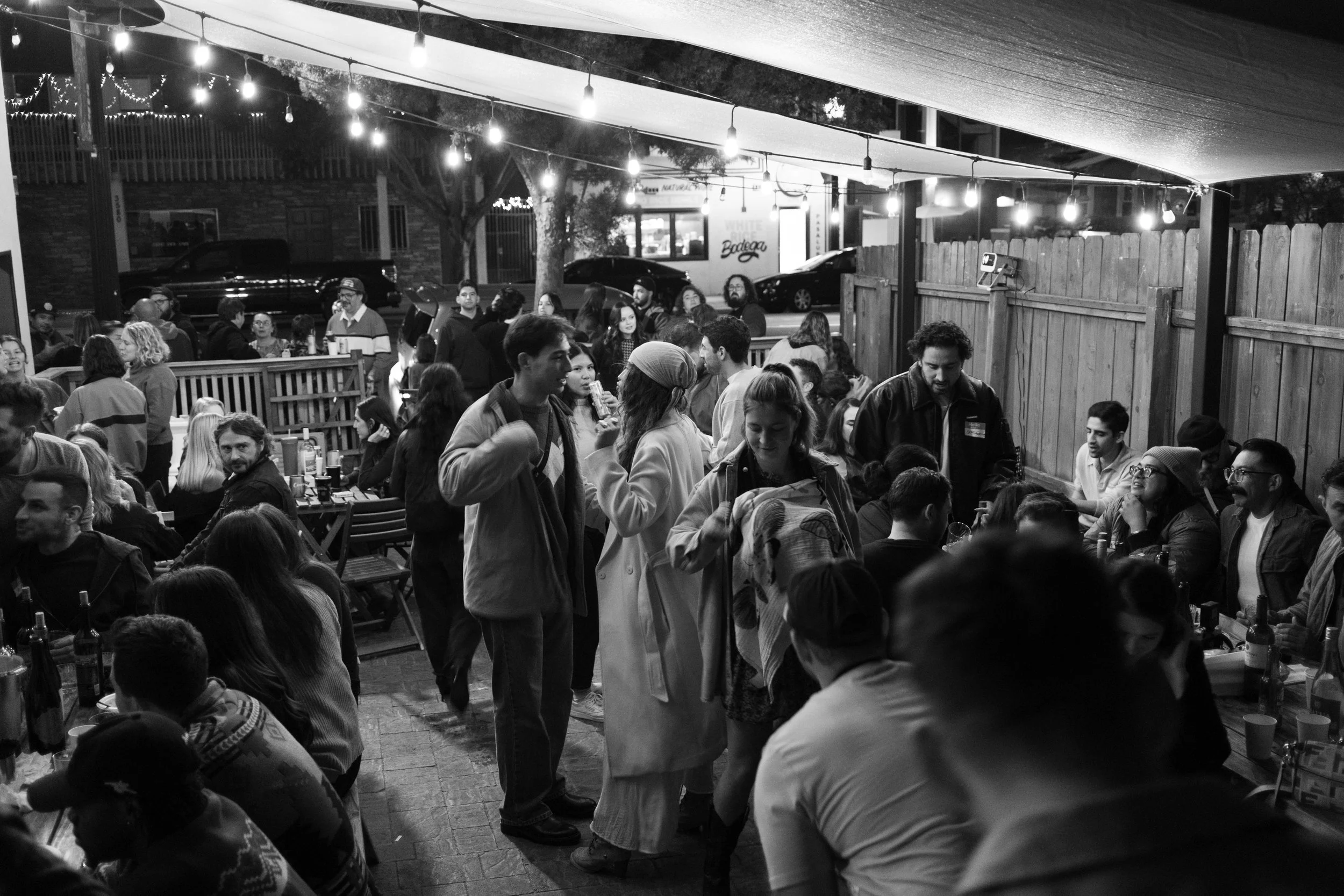
Yearbook Creative was conceptualized as a structureless organism that defies hierarchy, self-limiting artistic identities, and strict job descriptions. Equipped with a logo designed by Marvin King, founder of Mighty Killers, a brand without borders was born.

Founding members, including Consortium Holdings (subversive, industry-disrupting hospitality group in San Diego) creative Brian Eastman, knows its potency rests precisely in the mantra “Always change”.
“At C.H. (Consortium Holdings), I’ve learned so much about what’s possible with space and art. Its kept me on my toes to never settle into one brand identity, and always expand my creative process to get better,” Brian said. “Bringing that into Yearbook feels natural, because my brain is constantly wanting to change and look at things differently. That’s why photography makes so much sense to me. It captures a moment and its different all the time.”
His perspective resonates in the way he collaborates with Enrique to create environments that prioritize accessibility and equal contribution.
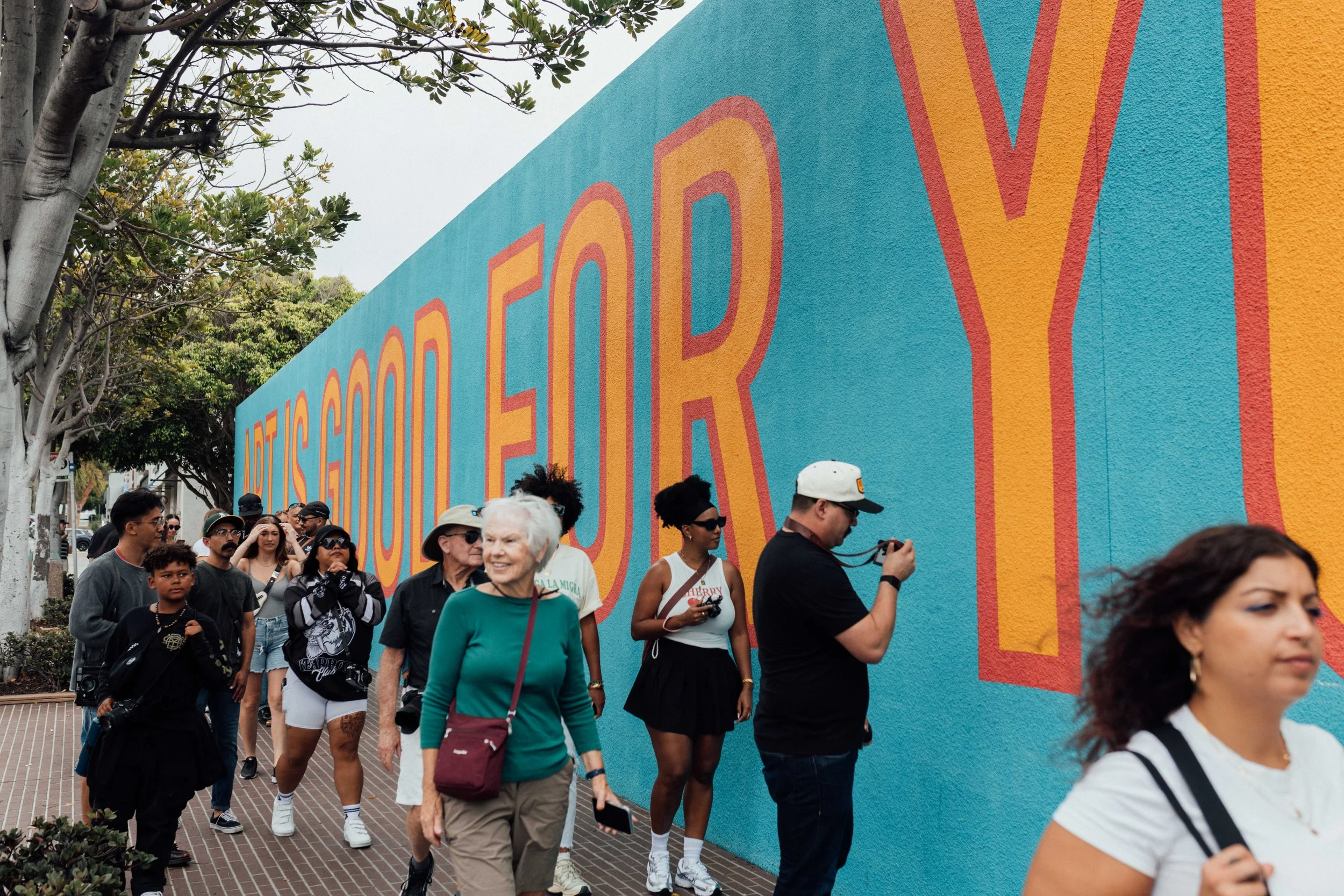
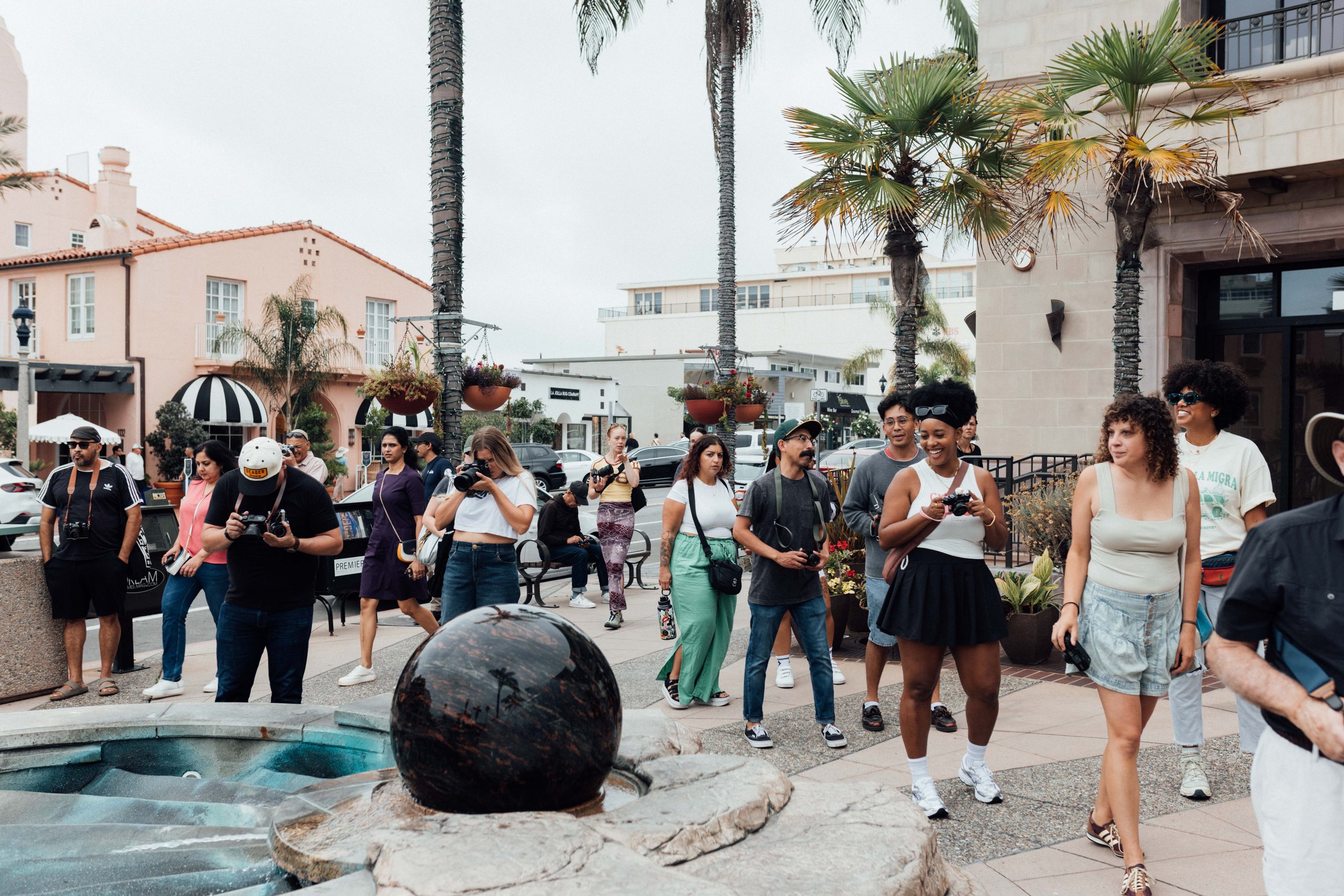
He further expressed, “showing up to a standard gallery opening can feel awkward and pretentious. Everything we’ve done has been about breaking that down and making it more democratic—whether you’re there to look, hang out, or be part of it.”
Yearbook’s activations are designed to defang traditionally formidable spaces — whether through bias-free photowalks at Museum of Contemporary Art San Diego in La Jolla; or hosting its first-ever photo exhibition and Yearbook: Volume 1 magazine release at the community-oriented downtown headquarters of San Diego’s streetwear institution Tribal.
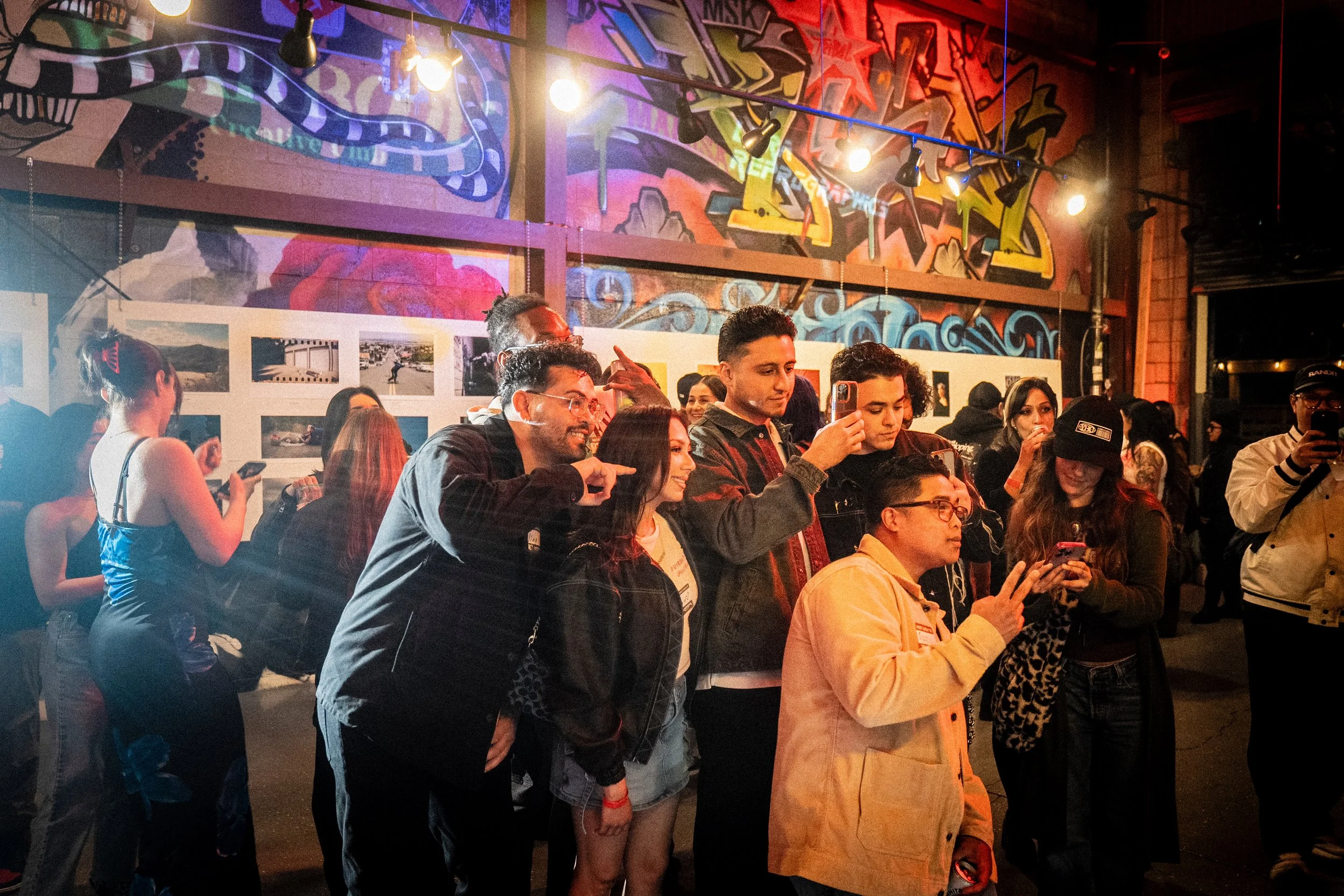
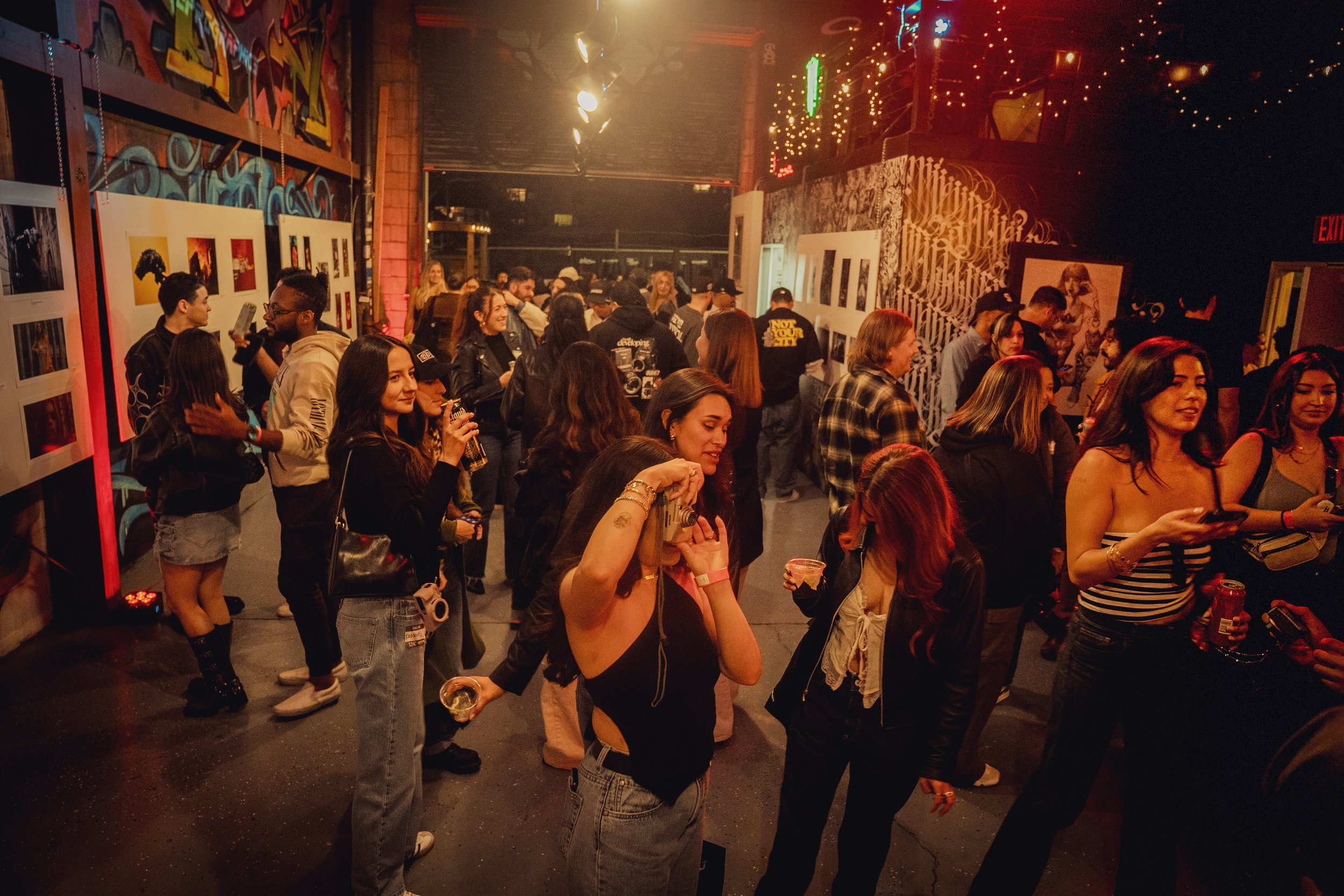
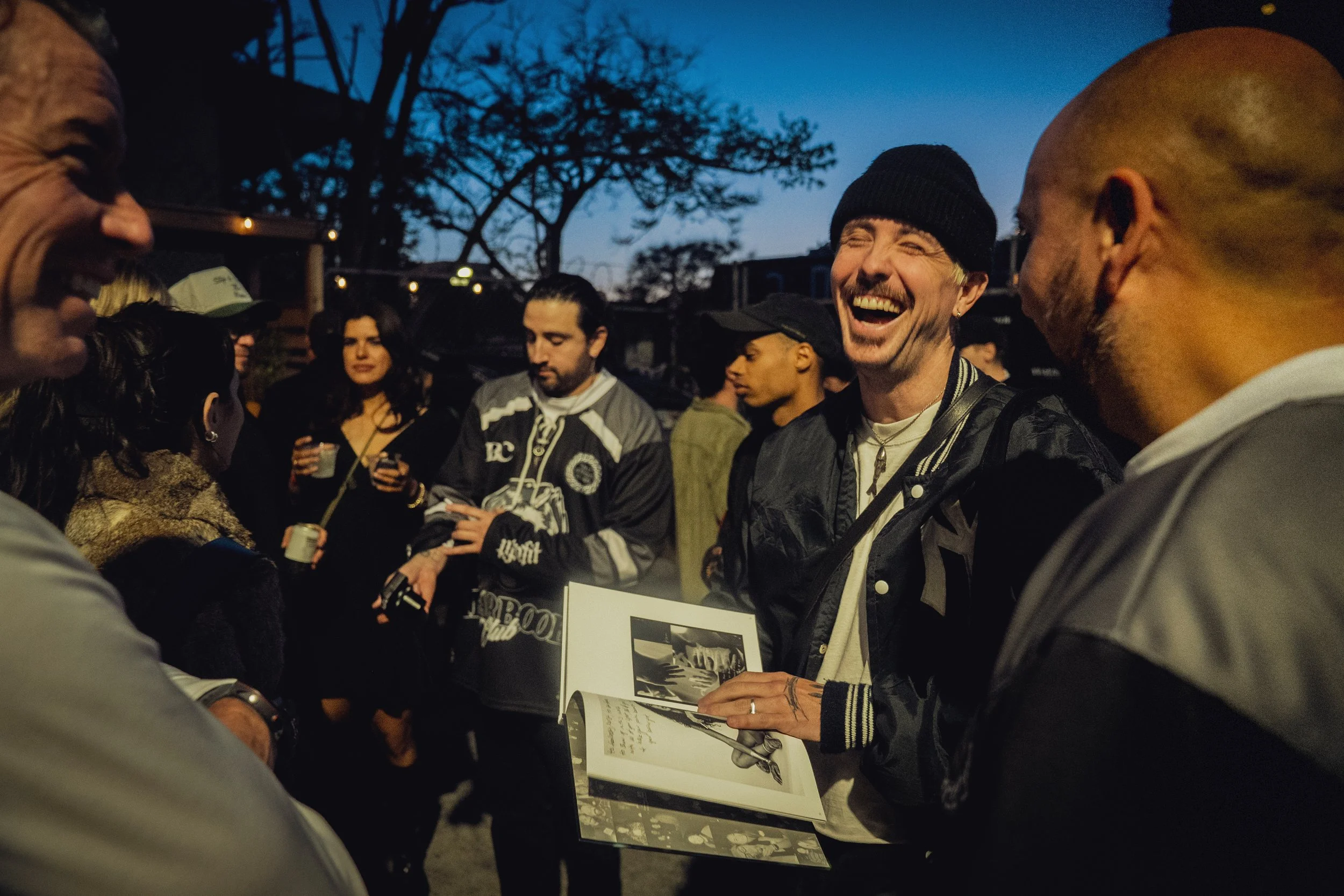
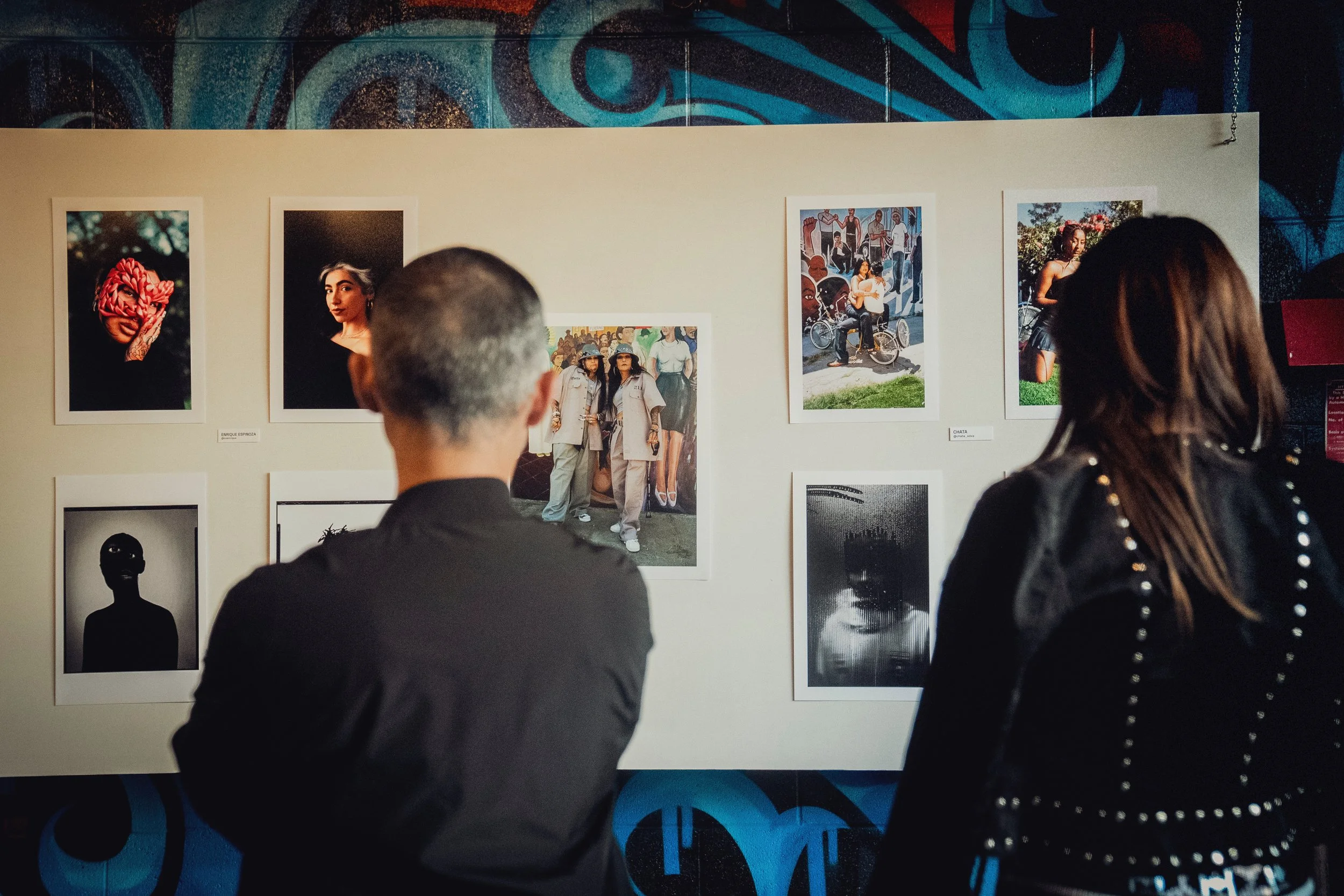
Cafes, like art spaces, can function as gathering holes for misfits and makers alike, and Yearbook borrows from that appeal. Rather than mandating performance, it offers creatives from all walks of life the option to observe, engage, or simply be themselves.
Designer and co-founder Samra Jean Lovelady describes Yearbook as deliberately ill-defined – equipped to showcase and celebrate photography, videography, illustration, sculpture, and other mediums of expression without pigeonholing them into a single style or agenda.
“I like how Yearbook has the ability to conform to all of these different materials and directions that we want to go,” Samra said. "It's about pulling people in, understanding their creative direction, and asking, ‘How can we help?’”
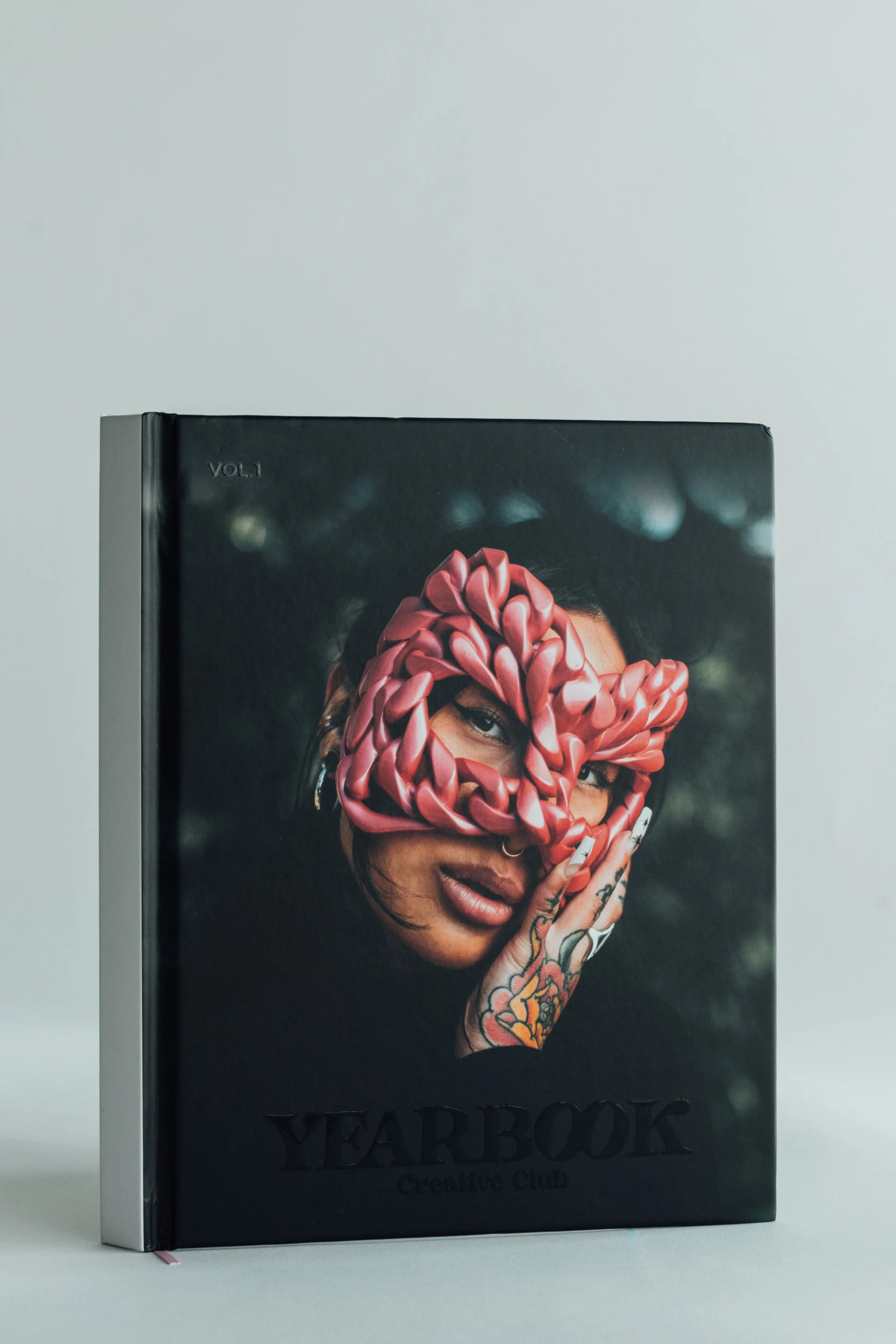
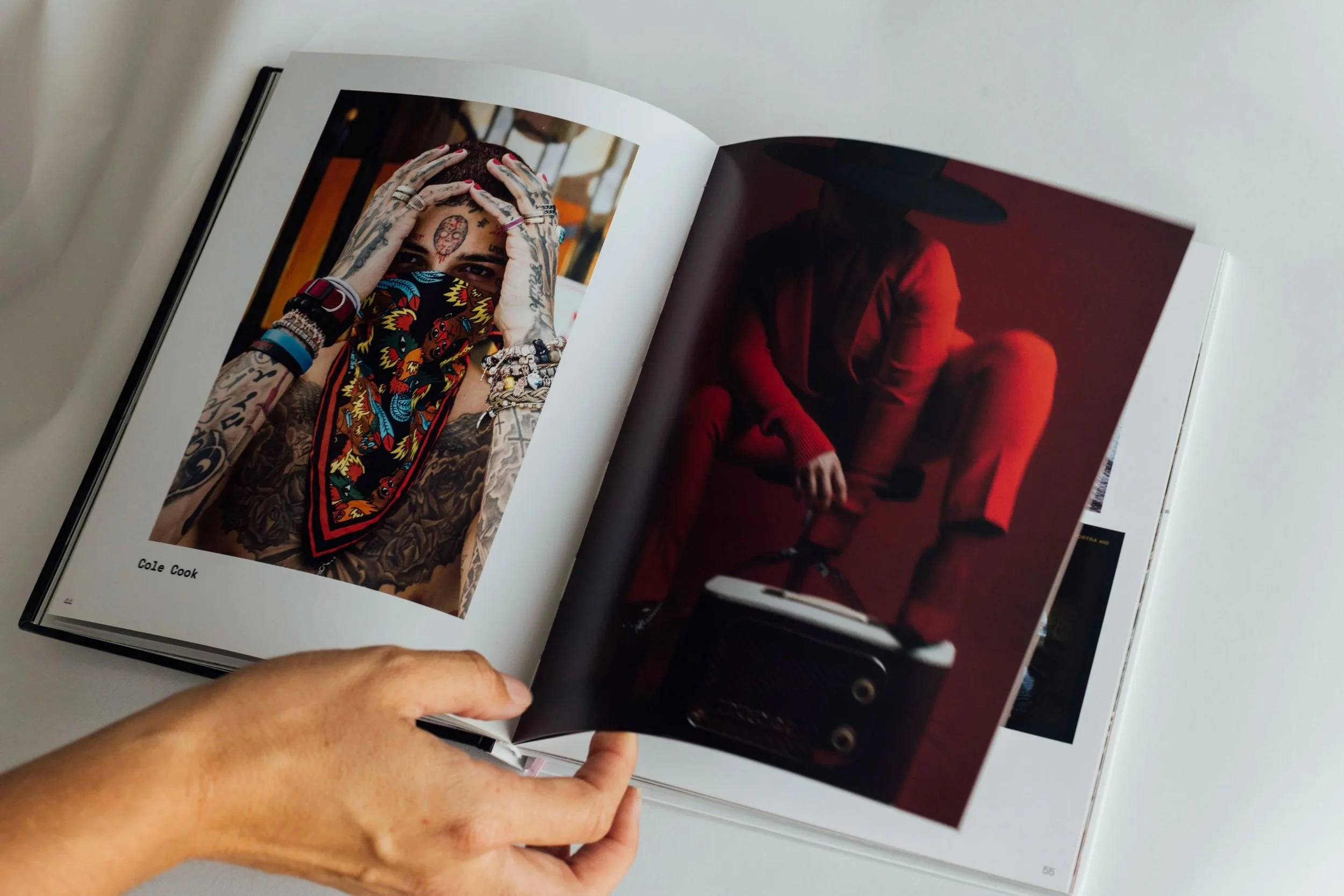
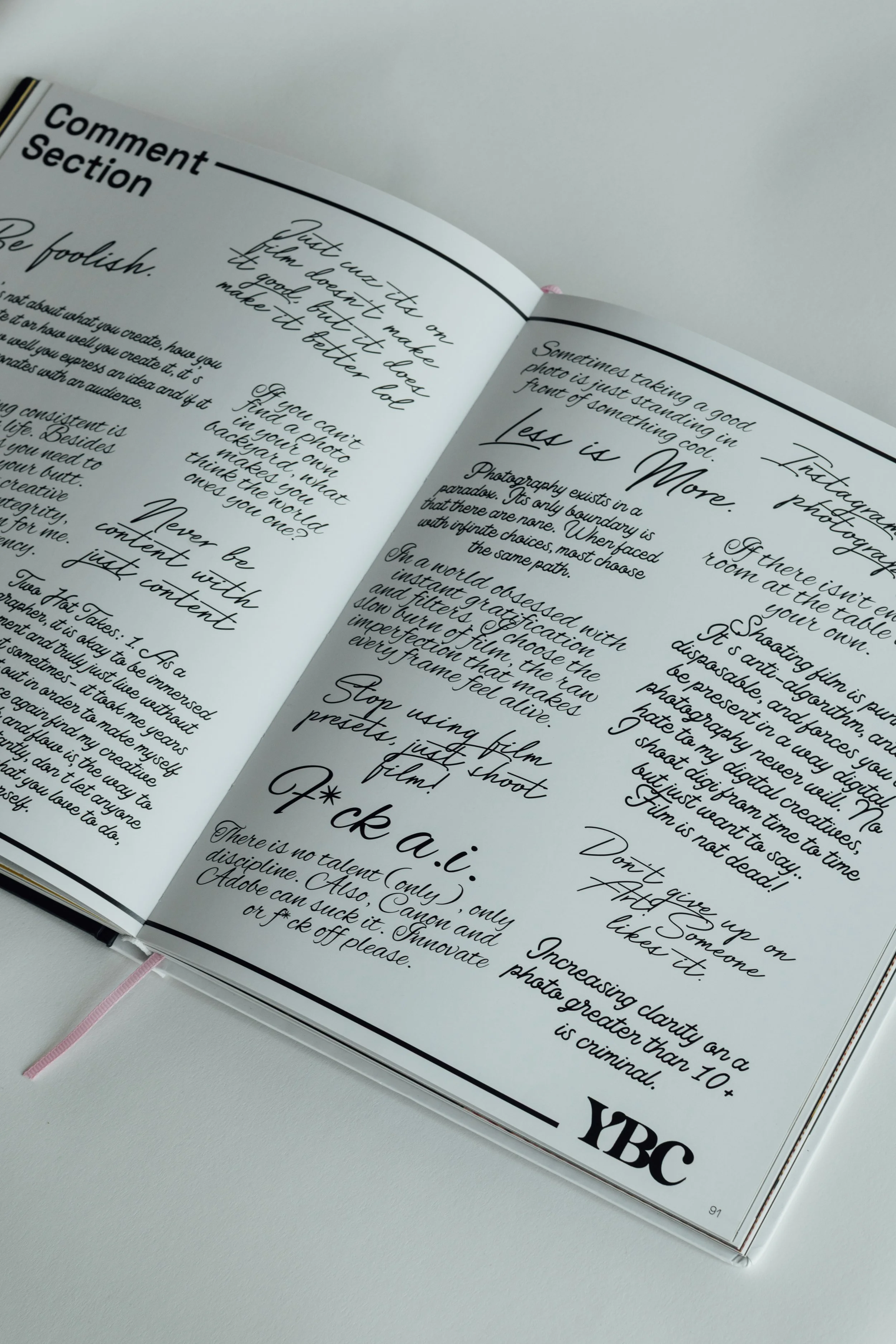
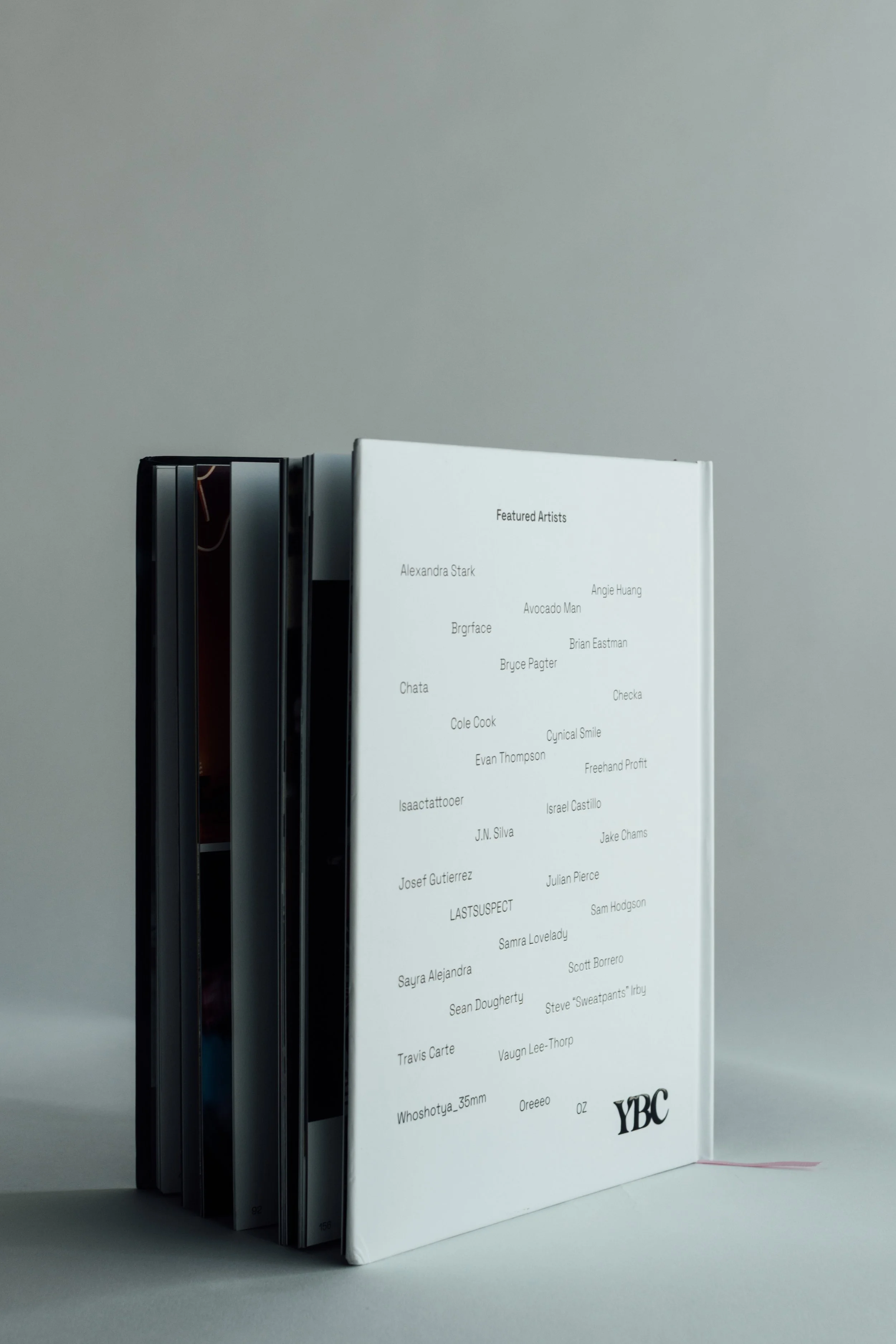
An openness that allows the collective to function as both an archive and an incubator, cataloguing a pluralist culture while still nurturing the conditions for fresh takes on existing art forms. The result is a community-first collective that deters gatekeeping and neutralizes imposter syndrome in favor of an open-door policy to foster trust and skill-sharing, regardless of follower count and portfolio length.
With San Diego as its home base and an eye toward other cities, Yearbook was never designed to be confined. It’s intended to exist anywhere, and Enrique Espinoza is eager to pursue an expansion to Los Angeles, San Francisco, and possibly New York City this year. In an era of main character syndrome-infested creative economies, it offers an alternative where the work speaks for itself, community reigns supreme, and change is not a threat but the point.